

Everything Else Came Later
On coffee, tomatoes, and the lesson I spent seven years pretending was mine.

March 17th, 2019.
There was a lot going on in my life at the time. Professionally, that is. And maybe spiritually. Emotionally. You know what — there was just a lot going on in my life. Three shops in, overwhelmed, broke, and not entirely sure what the next move was supposed to be.
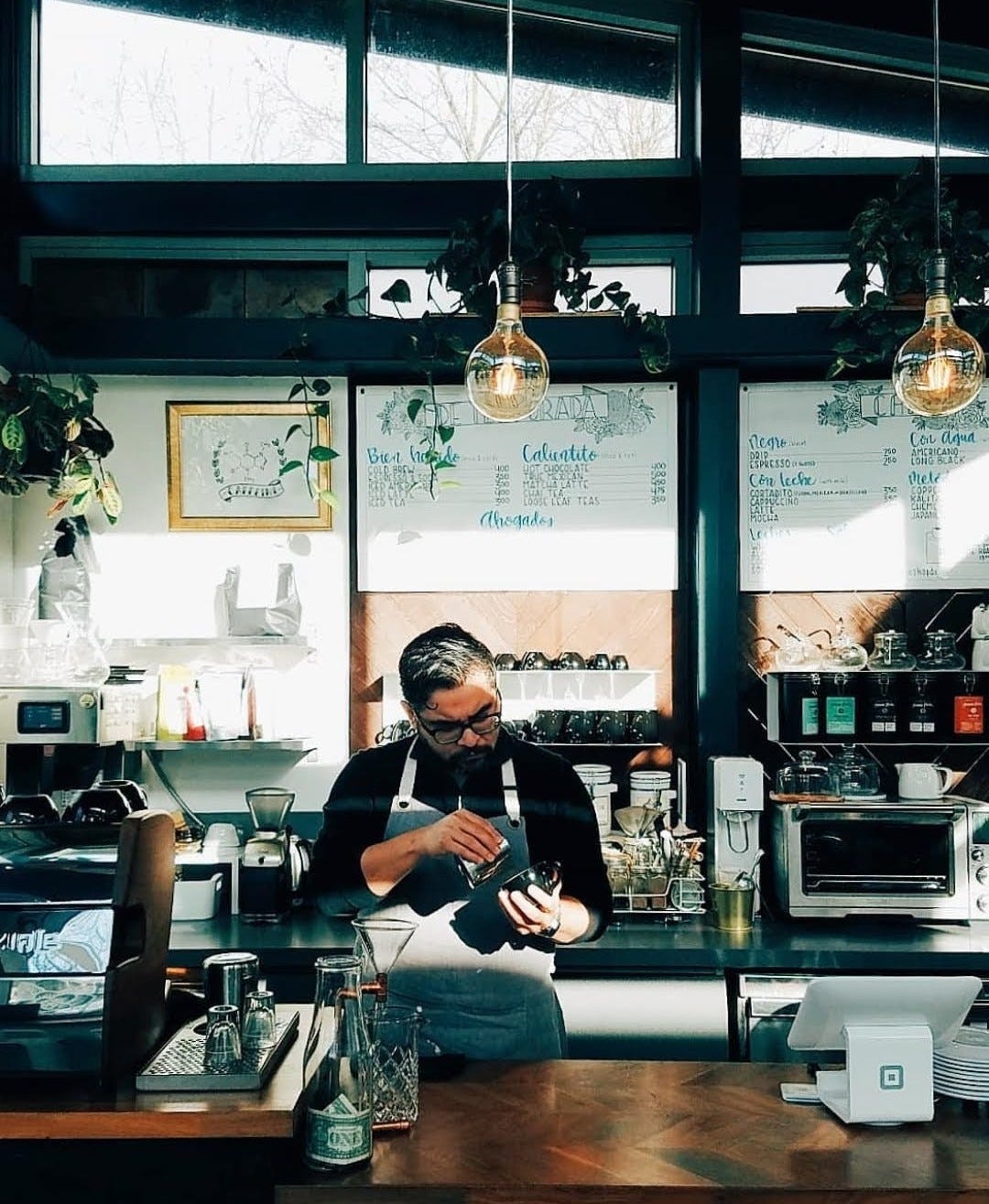
For context: I’d opened Kiosko on July 1st, 2017. Kiosko was a hit. It was intentional. It felt different. Looking back now, I realize it was one of the first real attempts at a Mexican American concept that wasn’t built from somebody else’s template. There wasn’t a blueprint at the time. There wasn’t a list of things you were supposed to do. There wasn’t a lot you could even point at. In fact, there wasn’t a lot of café de olla being served to anyone who took specialty coffee seriously. I think I was the first person to actually do that — to take this and apply it to that, and not apologize for either side of it.
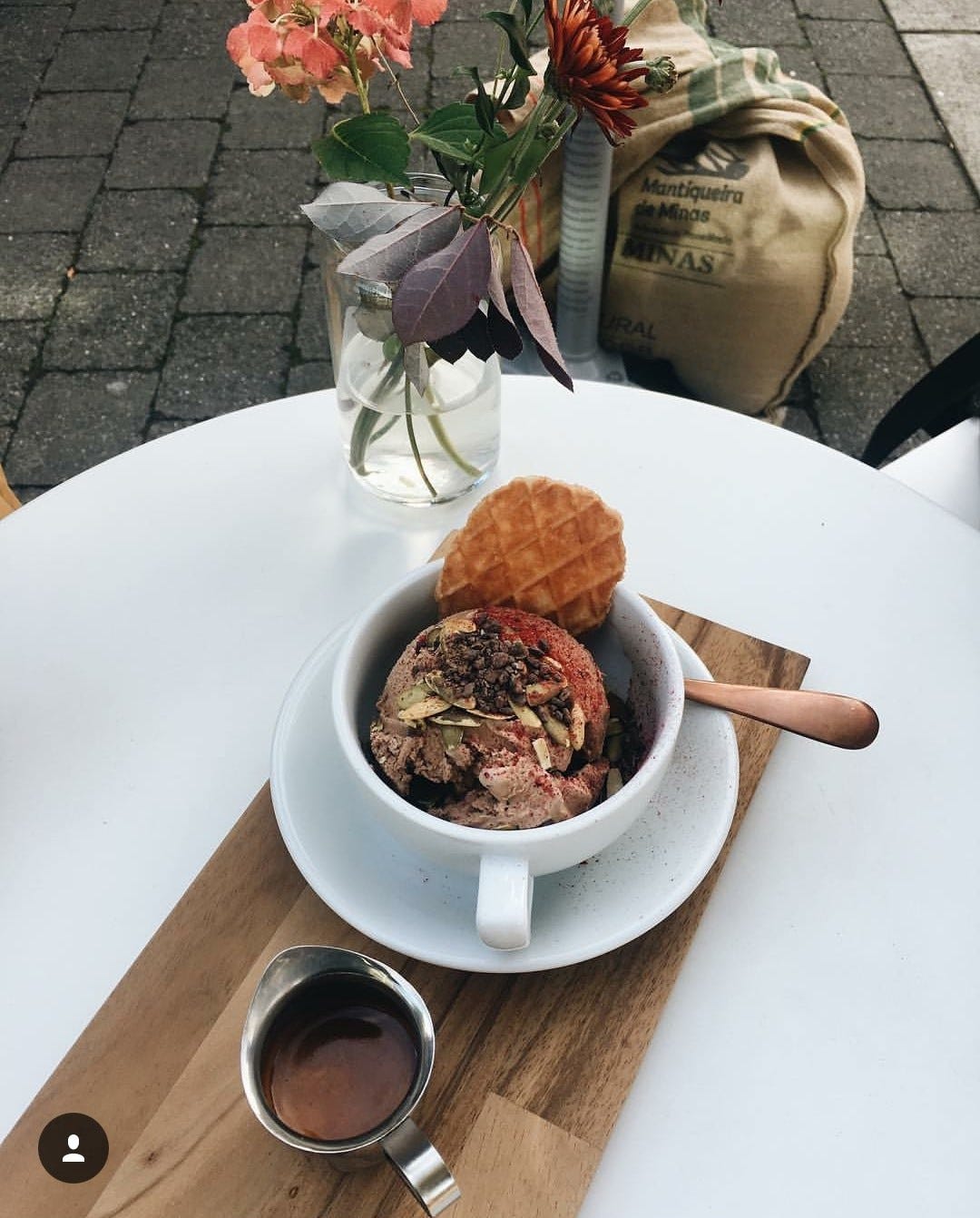
We had menus in Spanish. We had music in a dozen languages. Magazines on the tiny little bar, everything curated, every cultural reference placed on purpose, designed to make a place feel like nothing else. Cortaditos. Cafecitos. Cafés con leche. The now-famous True Mexican Mocha. Even something called ahogados — horchata ice cream drowned in espresso, as well as mole-flavored ice cream with coco nib, pepitas, and freeze-dried raspberry.
There was nothing like it.
To tell you the truth, I was making it all up as I went along.
Two years later I had 3 shops and a coffee roasting business; Kiosko, Con Leche, La Perlita, and Smalltime Roasters. And it was just me running the thing. I was exhausted, and I knew it then. But I’d accidentally built something other people would eventually copy. I didn’t understand the power that comes with creating the language before other people learn to speak it. I just kept my head down and knocked on doors, trying to sell coffee.
That day, though, I was going away for three weeks. I’d planned it as best you can plan a thing — meaning I didn’t plan for when things didn’t go as planned… but that’s for another time.
Got to Mexico City. Caught up with a friend.
Had a few drinks. Had a few too many drinks.
The next day I took a bus to Huatusco, Veracruz.
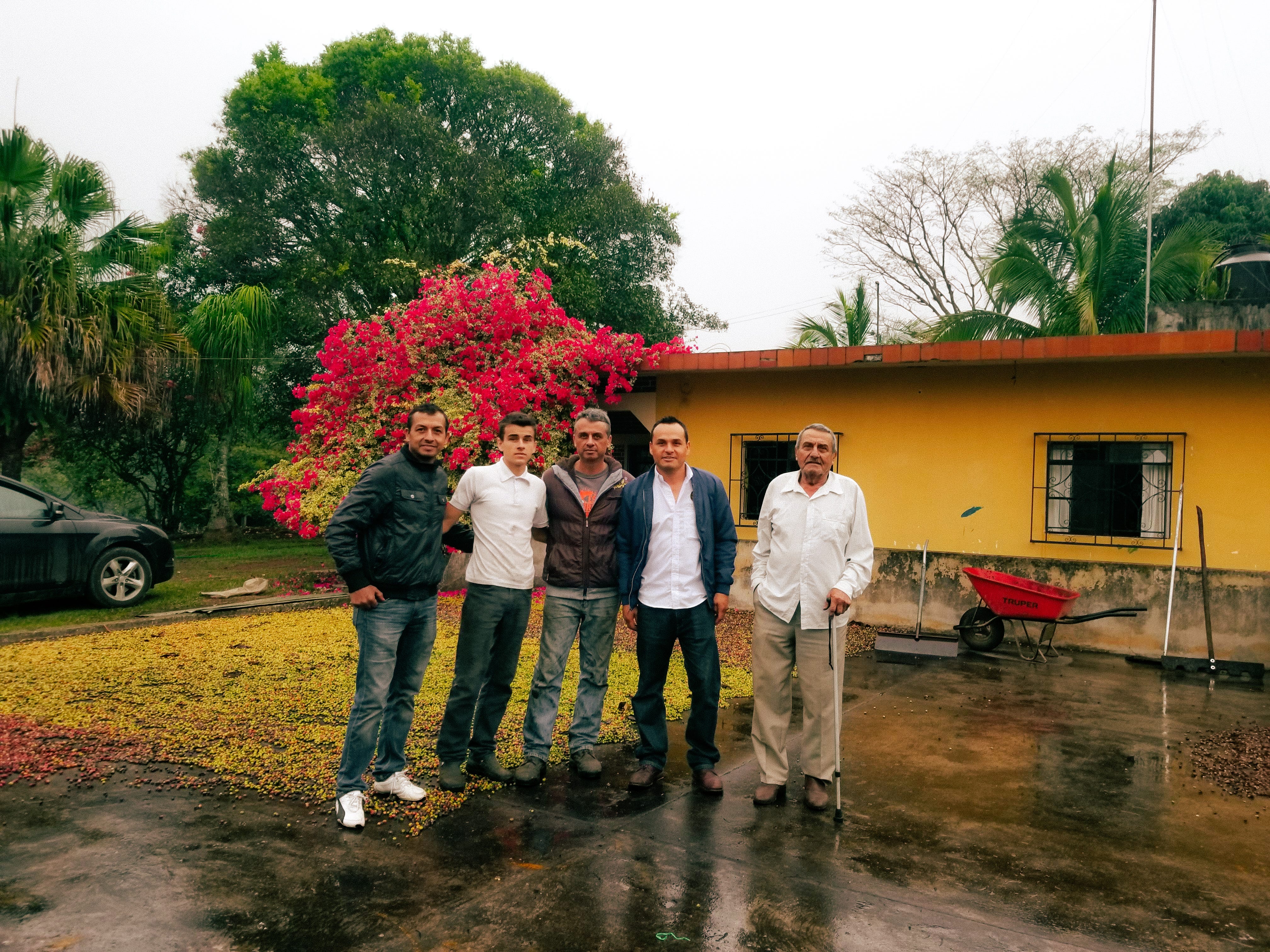
When I got there, I met three brothers. The producers; an engineer, an agronomist, and a salesman. Fourth-generation French descendants working coffee farms in Veracruz. You wouldn’t know it to look at them. They were as Mexican as Mexican gets — not just in the way they looked, but in the way they carried themselves. It felt familiar. Then you meet their father and you think, okay, I can kind of see it. And then you meet the grandfather, Pierre.
And suddenly it’s obvious.
These motherfuckers were French.
They took care of me and showed me everything. The farm. The processing. The experiments. The shipping. At the time they were working on something called semi-lavado, semi-natural — think of it as a way of preserving the fruit character of a natural coffee while dodging some of the inconsistency that comes with it. And spoiler: it usually comes back to traditional drying methods anyway. I was fascinated.
The next morning, I woke up and found something far more important than coffee.
One of the women working on the farm was making breakfast. She called me over and offered me a plate. I saw the whole spread laid out and — I wish to this day I’d taken a picture. Eggs on the comal. Tortillas. A pot of beans. Verdolagas steaming off to the side. And then I watched her with the tortillas — these thick ones, more like little cakes — go around the edge with her fingertips and pinch, crimping them, building a small wall so that nothing could fall out.
For a second I thought she was making sopes. Then she called them memelas.
For years I thought I’d been eating memelas my whole life. The difference, which I learned right there and which I probably should’ve already known: sopes are fried. Memelas are cooked on the flat top — on the comal, I should say.
I watched her work the masa. She pressed it out, set it on the comal, and pinched the edges into a shallow vessel that would hold everything together. She made it look like nothing. I asked if I could try, and I touched it, and I burned my fingers.
Her hands were different. Years of work had turned them into tools — thick, calloused, precise. Like a guitar player who’s played so long they no longer feel the strings. Mine were soft by comparison.
The breakfast was simple. A little salsa verde. Beans. Queso fresco. Tomatoes. Verdolagas. One of those plates that somehow tastes like the earth itself. I remember taking a bite and thinking it was one of the best things I’d ever eaten. It wasn’t complicated, quite the opposite actually. I’m not exagerating when I say that I felt like I was tasting the earth for the first time.
That morning. That food. That breakfast. That woman. They stayed with me.
Afterward, I traveled through Puebla.
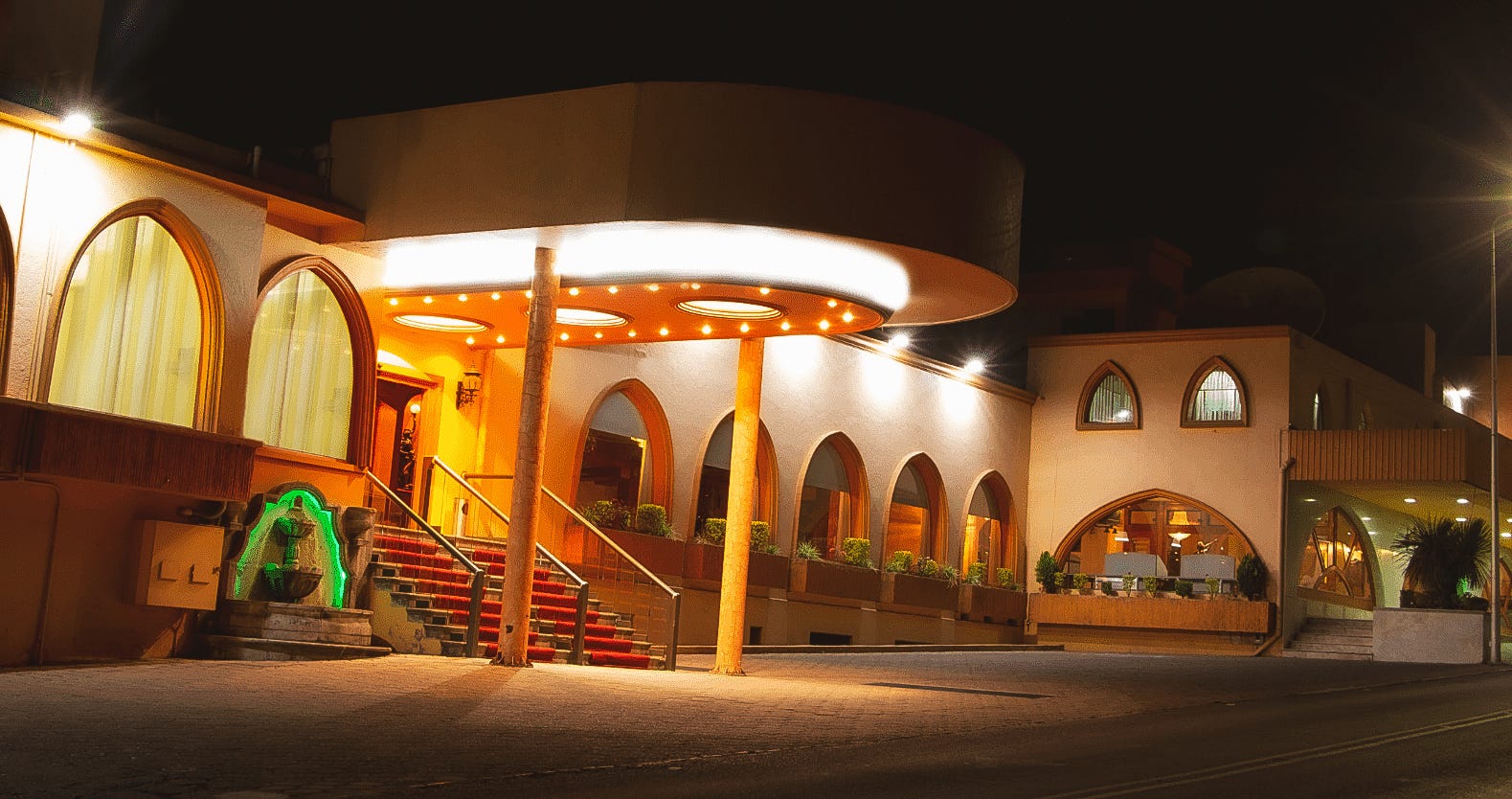
My way took me toward Huitzilan, in the Sierra Norte. I spent a night about 100 miles out, near the Fuerte de Loreto, in a hotel called Hotel Lastra.
For reference, Loreto is known for one thing. The Battle of Puebla. If you know the Battle of Puebla, then you know the story behind it; the natives and the neighbors defeating the French, the most powerful army in the world at the time.
When I got there, I had time to kill. I got myself a snack and walked around for a while. I spent the evening wandering streets that somehow still felt haunted by it. Walking through that small town, you feel like you’re sharing space with ghosts. The French. The soldiers. The people who defended the city. The people who lost. Everything still feels present.
I ate Tacos Arabes for the first time. They were good. Not as good as al pastor. I’ve always felt that way and I’m not going to pretend otherwise.
I spent the time imagining what a scene it must have been. The French arriving with all their might, thinking, oh, we’ve got this.
Not quite.
It was a long night in that hotel. The lights kept flickering from time to time. The room felt like it was occupied by something or someone and I wasn’t sure how they felt about me. I looked out my window, I saw an older couple casually sitting on the courtyard, this was sometime around 11 at night. I put on clothes and shoes, hoping I can come to talk to them and ask them about the town. It took me maybe less than one minute to gather myself. By the time I came out of the room there was no trace of them. And believe me, I looked around just to be sure. I walked over to the front desk, I asked about the old couple, no one had a clue who I was talking about. And so, I called it a night.
The next day I made my way to Huitzilan, where I met a young farmer trying to convince the world that Puebla could grow serious coffee. In my opinion they were years away from it. But somehow this young man, had managed to get himself and his community a number of grants. And so, with the Governor’s help they were in the process of building a future most people couldn’t see yet.
Funny thing is, I look at it now and they were right. Coffee from Puebla is finally getting the recognition it deserves.
I spent the day there. Then I kept going south.
Oaxaca. Coffee. Mezcal. Mole Negro. Tomatoes… All of them.
And if I’m being honest, the tomatoes are probably the thing that I love most about Oaxaca.
Give me every varietal of tomato, ten months out of the year, and I’m a happy man. I’ll eat them like cherries. I’ll confit them. Poach them. Put them on toast. Put them in a fucking BLT ten months out of the year — can you imagine that?
I don’t care. I’ll eat tacos de tomate until I can’t move. The tomatoes, the mezcal, the moles; those are my favorite things on this earth, and I’d probably never leave.
And that’s exactly what I was thinking during those two weeks.
I disappeared from everyone back in Portland. No schedule. No meetings. No responsibilities. Just buses, farms, meals, conversation, and the slow, growing realization that I needed to get my affairs in order and figure out how to spend the rest of my life living somewhere out there.
And then life happened.
I think back to that time now. Years later. Seven, to be specific.
It’s Wednesday night, around one in the morning. I’m lying in bed looking at the day I just had. Meetings, emails, planning, writing, markets, production. A thousand little things stacked on top of each other.
The highlight of the day was the farmers market. I picked up some sungold tomatoes, verdolagas (purslane), poblanos.. Simple things. Brought them back and started confiting the tomatoes in olive oil with garlic. That’s it.
Then I confit’d the poblanos. Two separate batches.
And while I was doing it, I realized something. I wasn’t making a dish.
I was chasing a memory. The things I carried out of that trip; the tomatoes, the verdolagas, the beans, the milpa, as it’s known. A system that fed people for thousands of years. And somehow I get the privilege of putting it on a plate.
That was the thought.
My other thought was: oh, shit. Tomorrow is the start of the World Cup.
Like every World Cup, I immediately become less productive — leading up to it, and then enduring it. I debated coming into the restaurant and throwing the game up on a projector. A projector feels elegant. A television, on the other hand, feels like a fucking Buffalo Wild Wings. Sadly, logistically, I had to go with the television.
Mexico was playing. Everyone who walked into the restaurant asked me if I was excited.
It’s always a strange question for me. People assume that because I’m Mexican-American, I automatically root for Mexico.
I don’t. I’ve rooted for the United States my entire life.
Long enough that when I die, somebody should probably cremate me in a 2002 Landon Donovan jersey. Ideally the white one. Wasn’t the best one, but, man — it meant everything.
It’s surreal to see all this attention around the U.S. team now. All this attention around the sport. I don’t remember this. I dreamed about this. And honestly, I don’t know how I feel about it. All these opinionated folks coming out of the blue, people getting into it now — watching the TV shows, listening to ESPN, the pundits, the podcasts — building a surface-level understanding and deciding, yeah, I think I get this thing. They really still don’t. I’ll leave it at that.
What was I saying?
Right. Cremate me in a Landon Donovan jersey. The GOAT. Not Dempsey. Not Pulisic. Donovan. I’ll let you argue about it amongst yourselves.
Anyway. Back to the restaurant.
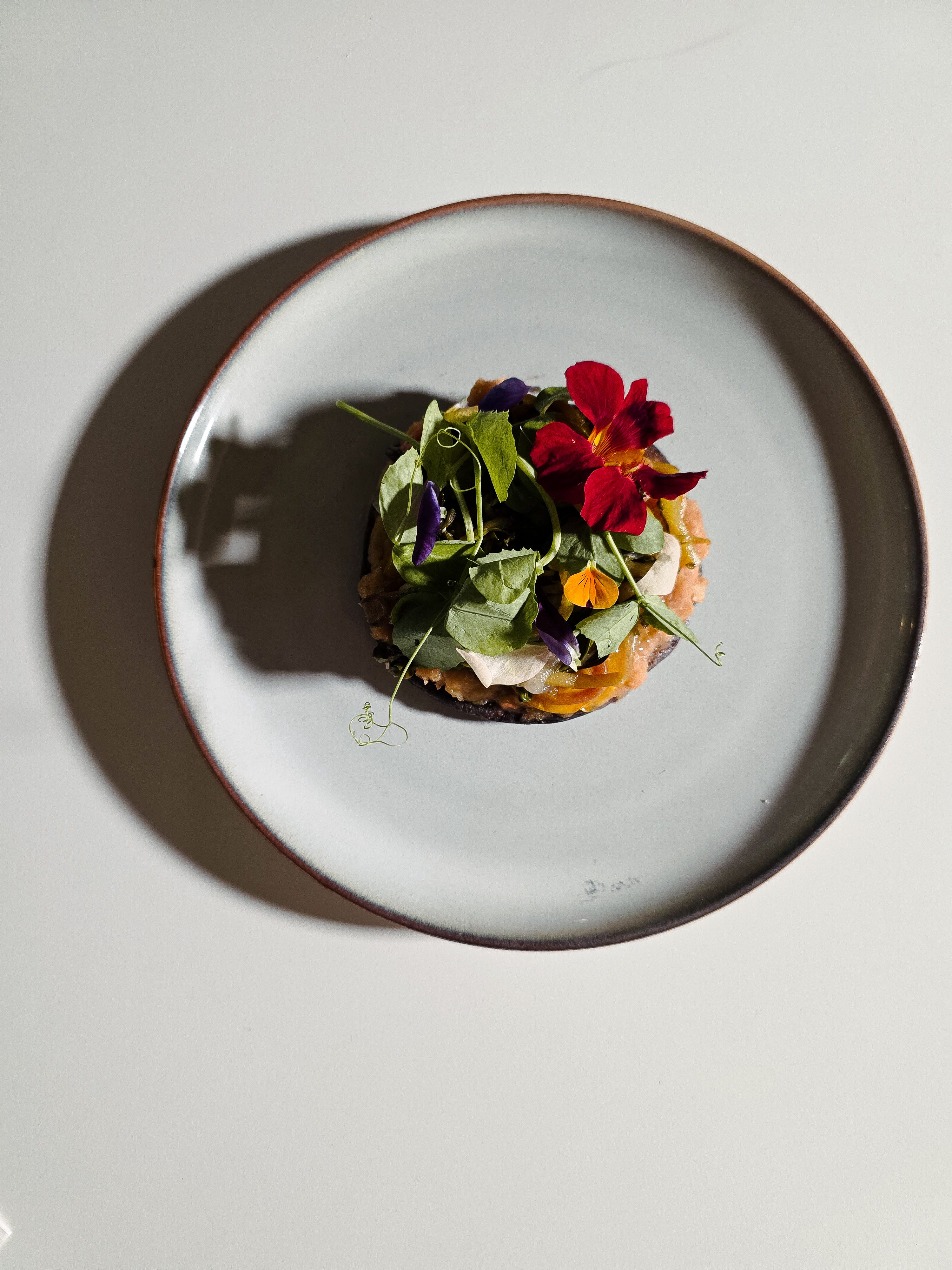
The game was on. The room was slow. It was predicted, which at least it gave me time to really work on the dish. A memela with beans, confit tomatoes, confit poblanos, and verdolagas. We plated it. Photographed it. The first version:
Beautiful.
Too beautiful. Too polished. Too much like something we already knew how to do.
So we started over.
That’s the job. You take the feedback. You adjust. You keep going.
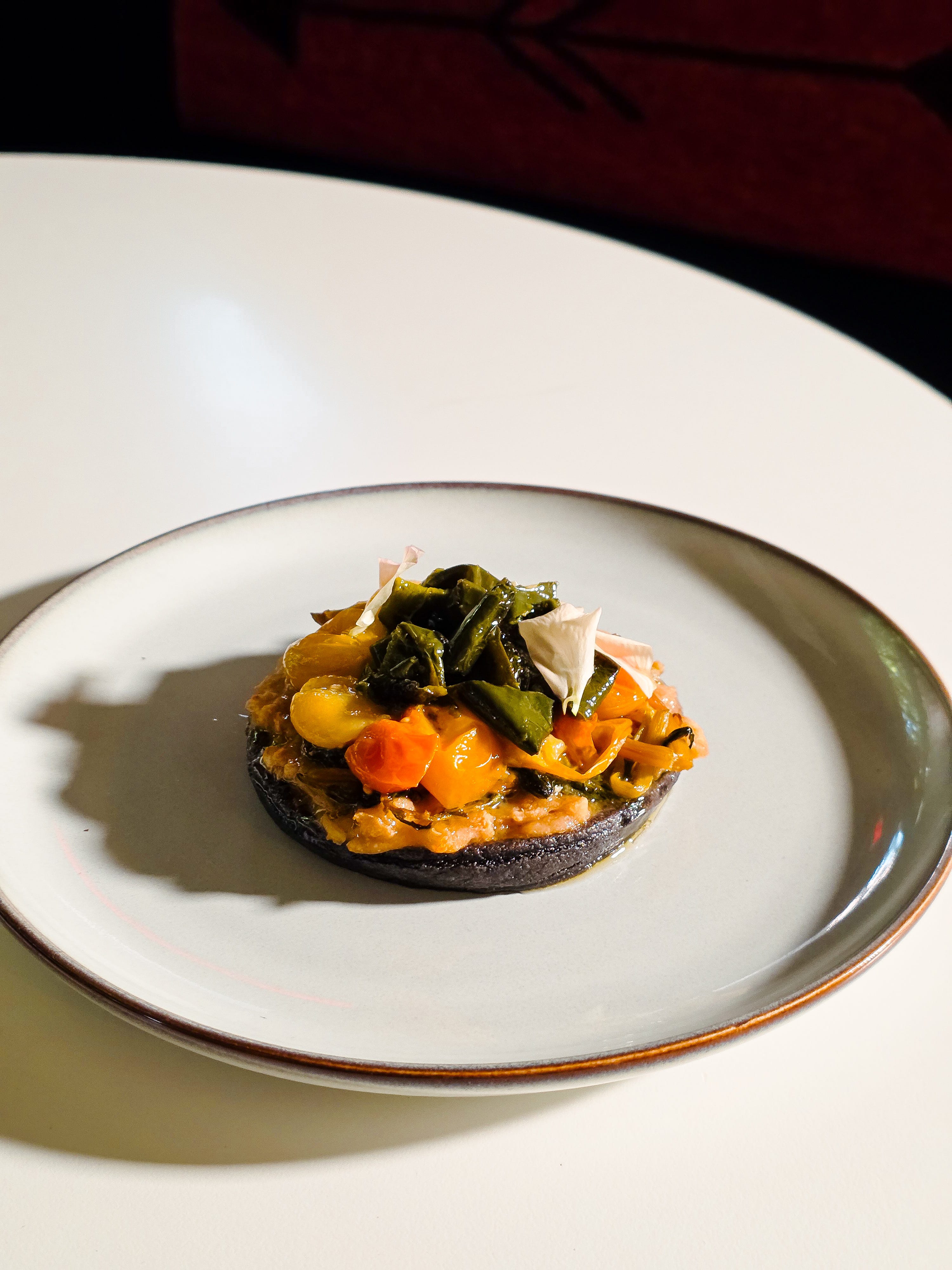
The second version:
Well, thats the one that made the cut. Something that felt more honest to that memory I was once gifted.
Which reminds me.
Recently, someone sent me a story about a former chef of mine. I’ve had plenty of chefs leave over the years. Most departures don’t end particularly well. For a long time I took that personally. I don’t anymore.
What surprises me now is seeing pieces of our work show up somewhere else. That’s not something that is new to me, I’ve been seeing it from day 1. Its inevitable. I made peace with it. What surprises me more is how often people stop creating. How often they fall back on what they think is their greatest hits. The same tricks. The same dishes. The same ideas. The same plating.
And somehow, off they go, and they build a whole narrative around the work. The same things. And it’s not bad — it’s great. I can tell you it’s great, because I’m the one who fine-tuned it. Because I’m the one who gave it a story. Because I’m the one who changed it and made it critical.
The thing that really annoys me isn’t the taking.
It’s how comfortable they are. They confuse activity for accomplishment. And potential for mastery. Potential is the way the greats often describe people who have something, but its not very clear as to whether or not that something is actually any good.
Potential is one of my least favorite compliments in the world. Potential means nothing. Potential only matters when it turns into something.
What frustrates me isn’t seeing my fingerprints on somebody else’s plate.
It’s seeing somebody stop at my fingerprints instead of going and finding their own.
Every great chef needs somebody willing to challenge them. Somebody willing to say: that’s good — now make it better. Go deeper. Tell the story differently. Stop repeating yourself. The second you start leaning on old tricks, you’re one step closer to becoming that restaurant everybody remembers fondly from fifteen years ago but nobody actually wants to visit anymore.
We’re lucky. We live in the Pacific Northwest. We have access to incredible ingredients. The same ingredients. The same markets. The same budgets.
Some people keep creating.
Others settle for tricks.
That’s the difference. That’s the whole difference.
And if any of my former chefs ever read this — I genuinely mean it when I say I wish them well. I hope they succeed. I hope they build something beautiful. I hope one day they look back and remember where they started. And more importantly, I hope they remember the thing I probably said so often it drove them insane:
Don’t add anything that doesn’t belong. Whatever belongs, make it more beautiful.
Funny thing is, I thought I learned that lesson from being in this business.
I didn’t.
I learned it from a woman making breakfast on a coffee farm in Veracruz, seven years ago.
Everything else came later.
She handed me a perfectly cooked memela. I asked her how she knew when to stop — how she knew how much salsa, how much bean, how much of anything. She looked at me like it was the strangest question anybody had ever asked her.
Le pones lo que aguanta, she said. You give it only what it can hold. You pinch the edge so nothing falls out, and you don’t crowd what’s already perfect.
I didn’t write it down. I didn’t think I had to. I figured I’d remember it the way you remember a good meal — fondly, vaguely, gone by the next morning.
Seven years later I say a cleaned-up version of that to the folks in my kitchen until it drives them out of their minds. And I let them believe I came up with it.
I didn’t.
A woman on a coffee farm in Veracruz came up with it. On a comal. Before the coffee was even dry. She handed it to me with breakfast and never once asked for it back.
So today, on a slow day, with Mexico on a television I didn’t want and the World Cup happening, I tore up a plate that was too beautiful and I built it again with nothing on it that didn’t belong.
And if it ever reaches your table; the memela, the beans, the tomatoes I chased across seven years and thousands of miles, nothing crowding it, nothing falling out — now you know whose hands you’re actually eating from.
They were never mine.
Angel Medina is the founder of República and Co. Hospitality and TODOS Media. One Last Thing publishes when it has something to say.
I love your writing! Your spirit and your stories are amazing! Thank you!!