

Expectations Versus Reality in U.S. Coffee Culture
The unrealistic expectations of experiencing a "first-world" coffee culture in America.

Photos by Juan Jose Macias
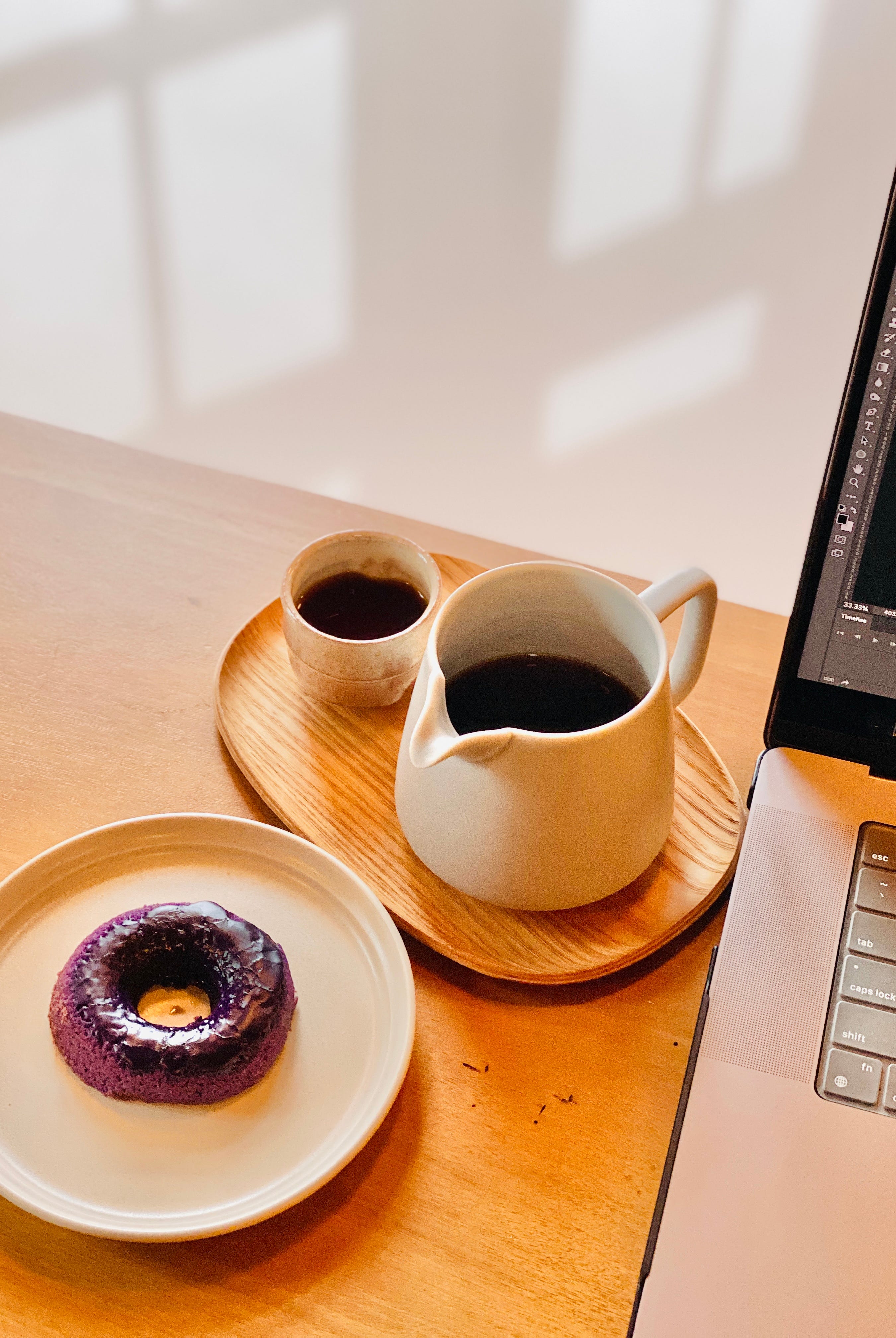
I was recently going through my earliest notes from when I first stepped behind the bar at a specialty coffee shop. Reading them again, I realized how my world completely shifted once I understood how complex a 500-year-old beverage could be.
Things like cleaning the steam wand after every use, back-flushing the group heads, or obsessing over extraction weren’t common practices in non-specialty cafés in Mexico. Everything felt excessive at first. I was learning too much, too fast. Yet somewhere between the repetition and the discipline, I fell in love with the craft.
Even though I’m no longer a full-time barista, coffee remains my first love. I spent around four years working in specialty coffee in Guadalajara. That path eventually brought me to the United States and, unexpectedly, forced me to confront some deeply ingrained myths about what a “first-world” coffee culture is supposed to look like. I arrived with high expectations — especially because of where I landed: Portland, Oregon.
Portland was the dream destination of every La Americana neighborhood-hipster barista back home. You know the archetype: tall guy, beard, tattoos, rides a bike, drinks oat milk. The same guy who’s in Guadalajara is also the same guy in Portland. People at home would talk about PDX like it’s a sacred ground for coffee — incredible espresso machines, world-class baristas, endless knowledge.
That fantasy didn’t survive contact with reality. I’m deeply nerdy about coffee. I expected to walk into any local café, order a brewbar method with a special bean, and have the barista light up while telling me the story behind the producer or the origin. That almost never happened. What I quickly learned is that Portland is a coffee city — but mostly a latte city.
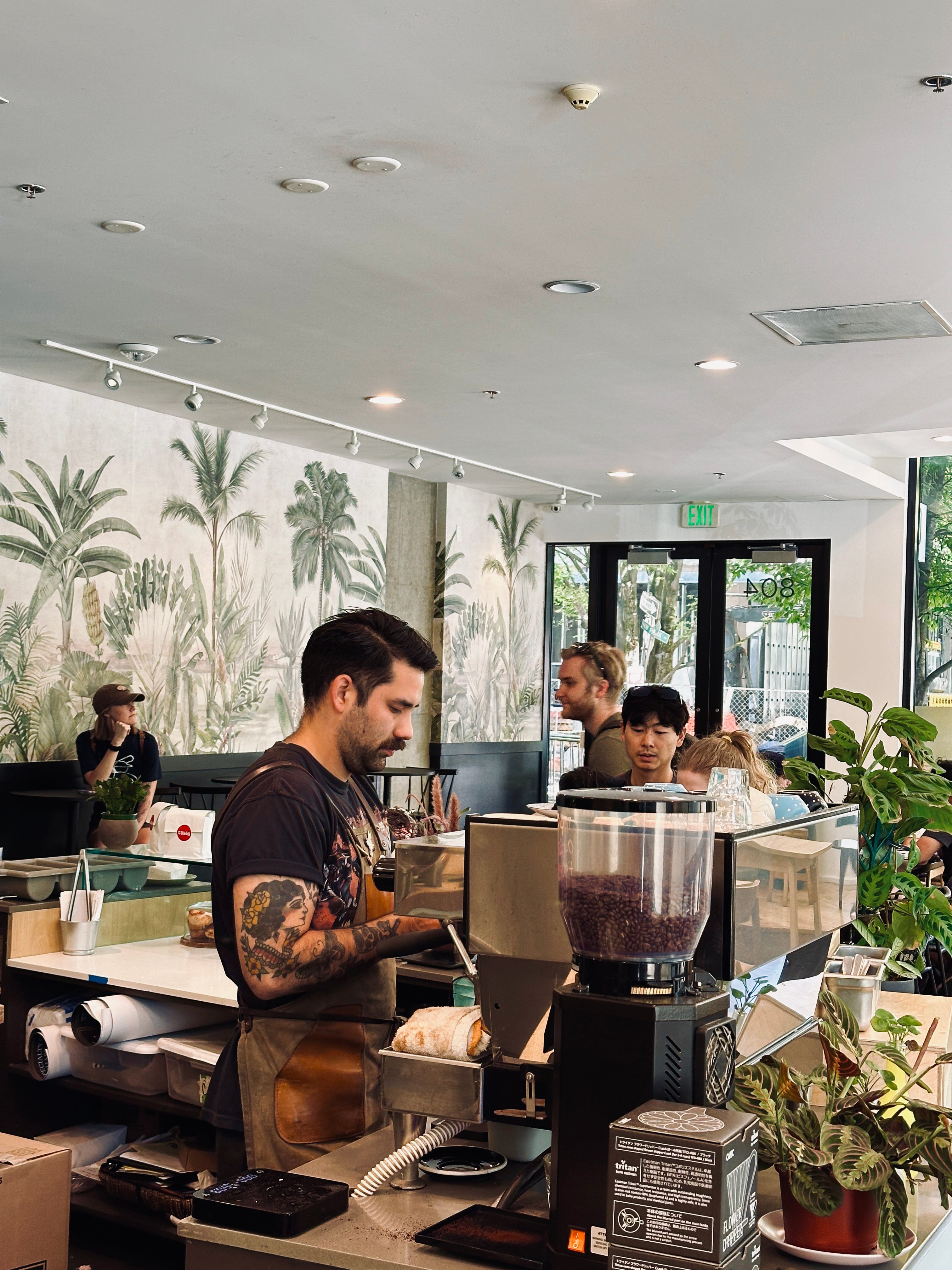
It’s not about origins; it’s about syrups. The more syrups, the better. People want sugar and milk with a hint of coffee, very few customers order espresso out of curiosity, and even fewer want to talk about the beans. Asking for an AeroPress, Kalita, or V60 feels almost out of place. Food is non-negotiable. No breakfast, no customers.
Of course, baristas do what they can. Some care deeply about dialing in espresso or offering a couple of well-processed, thoughtfully roasted coffees for manual brews. But at the end of the day, people simply don’t order them.
That curiosity — the desire to ask questions, to learn — is something I’ve found more often in hidden garage cafés in Mexico than in many polished coffee bars in Portland.
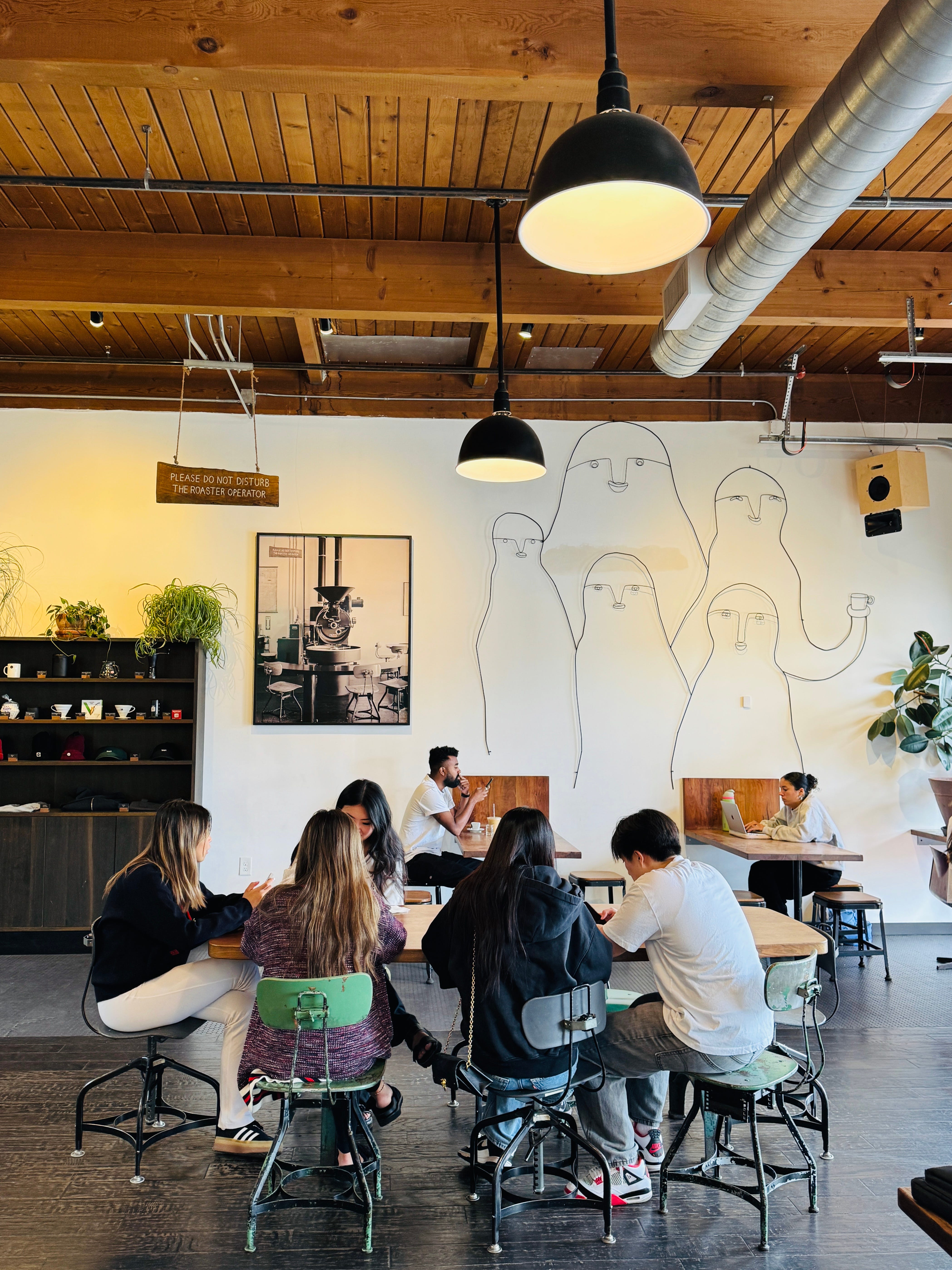
To be clear, this isn’t true everywhere. Portland still has incredible cafés that care deeply about what they serve. Places like Less and More, Heart, and Cadejo are doing important work. Eléctrica was one of those magical bars too, but unfortunately, they closed forever last Sunday, 25 January 2026.
One undeniable advantage of the city is access. Specialty coffee is everywhere. Even if many baristas don’t know how to prepare it well, you can still find a wide range of roasters, if not origins, almost anywhere — even at the supermarket. That simply doesn’t happen in Mexico.
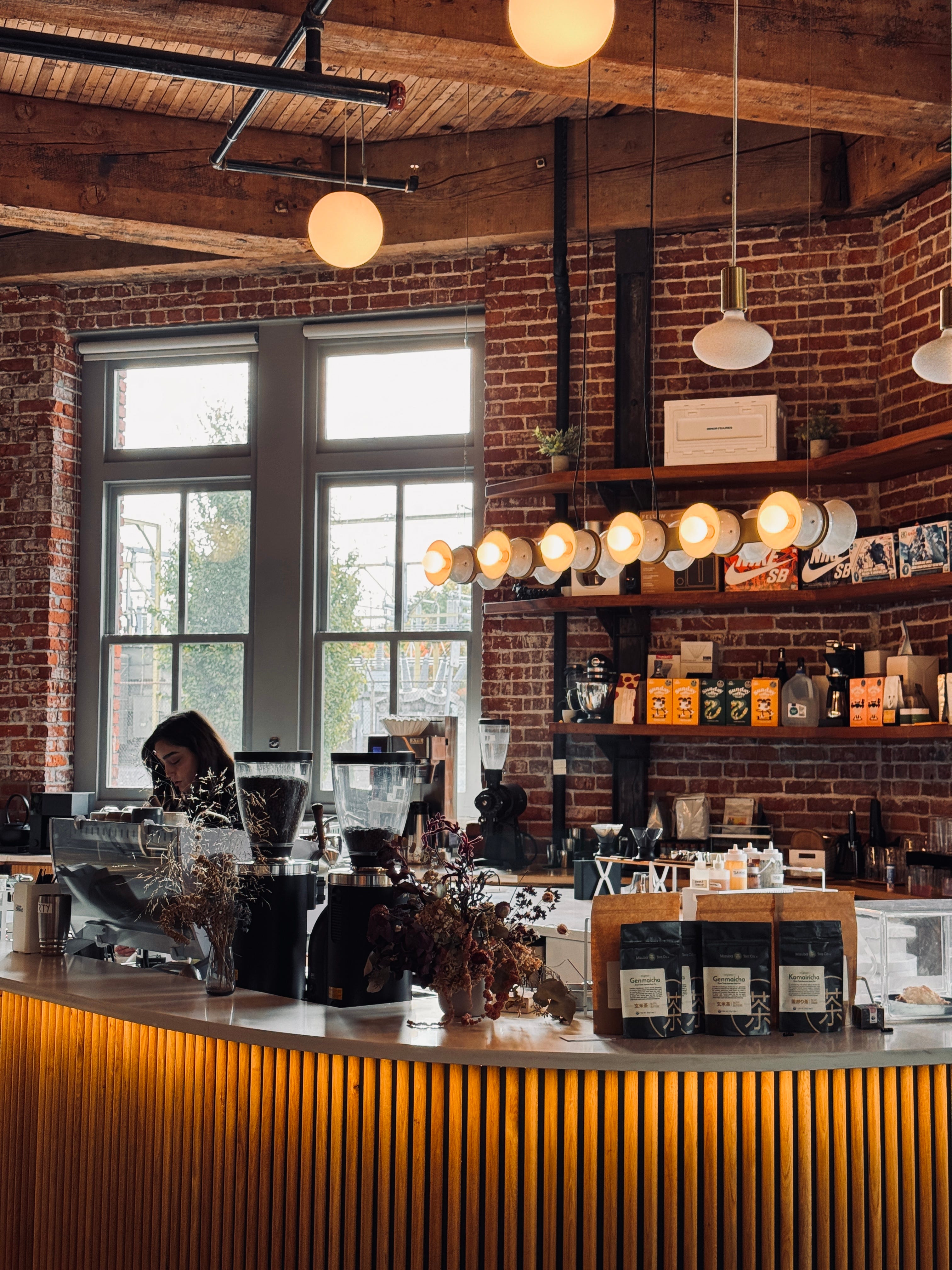
There’s also money here. A lot of it. Even the most unremarkable café will have a La Marzocco. Back home, there are cafés that start with nothing but manual brewers, or the most basic Breville, or even a moka pot. However, what matters isn’t the machine — it’s the intention.
At the end of the day, this is just my perspective. But coffee, like any cultural expression, tells you more about people than equipment ever could.
 | A guest post by
|