

Learning to Love Spirits Through Coffee
How writing about coffee became my gateway to the world of cocktails, wine, and more.

Similar to my colleague Mauricio, coffee was my first love. I spent over a decade of my teens and early twenties as a barista in specialty coffee, where I learned about growing regions, coffee harvest and processing, and perfecting the art of a pour over. This passion for the beverage as an art form later manifested in my writing career when I became the online editor at Barista Magazine, where I continued to learn and grow in my knowledge about it.
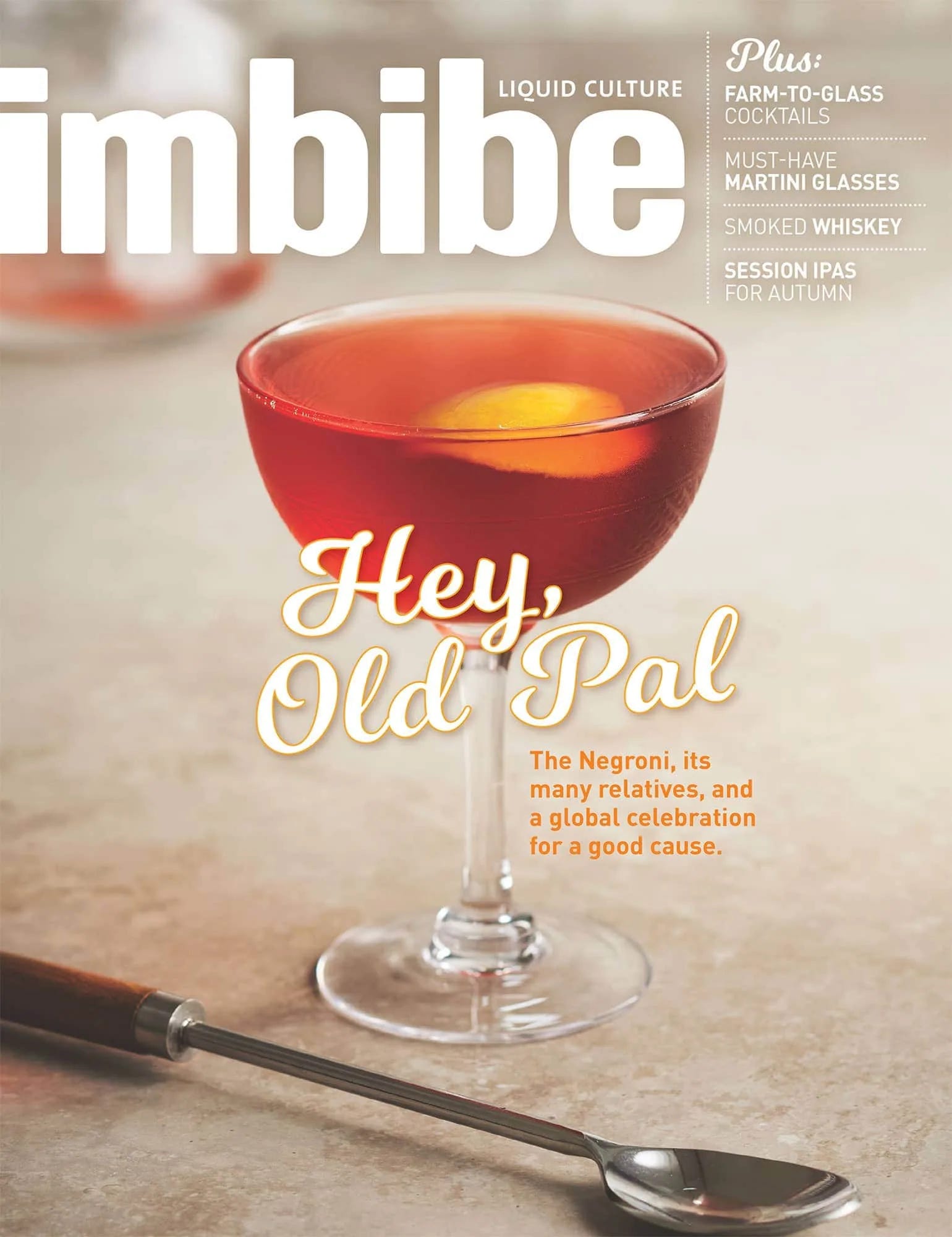
After three years, I felt ready to move on and grow in my skillset; I eventually landed a role as an associate editor at Imbibe Magazine. Self-described as “liquid culture,” the publication is mostly about alcoholic beverages, with some aside stories on tea and coffee. At the time, I thought I had a decent working knowledge of popular spirits brands and a general sense of what differentiated a good cocktail from a bad one. However, little did I know that my coffee knowledge would actually serve me well when it came to learning about the world of spirits.
In my time writing for the food and beverage industry, I’ve come to learn that every industry actually has its own circle of popular recurring events, trusted establishments, and all-star contributors to the scene. I caught on pretty quickly to who the “all stars” of the cocktail world were, from Julie Reiner (Clover Club) to Jim Meehan (Please Don’t Tell) and Donn Beach (the “godfather” of tiki culture). They would all gather annually at events like the Charleston Wine & Food Festival or Tale of the Cocktail to talk shop and update each other on the latest industry developments. When it came to individual beverages like beer, wine, and whiskey, each one had its own sub-categories of the like.
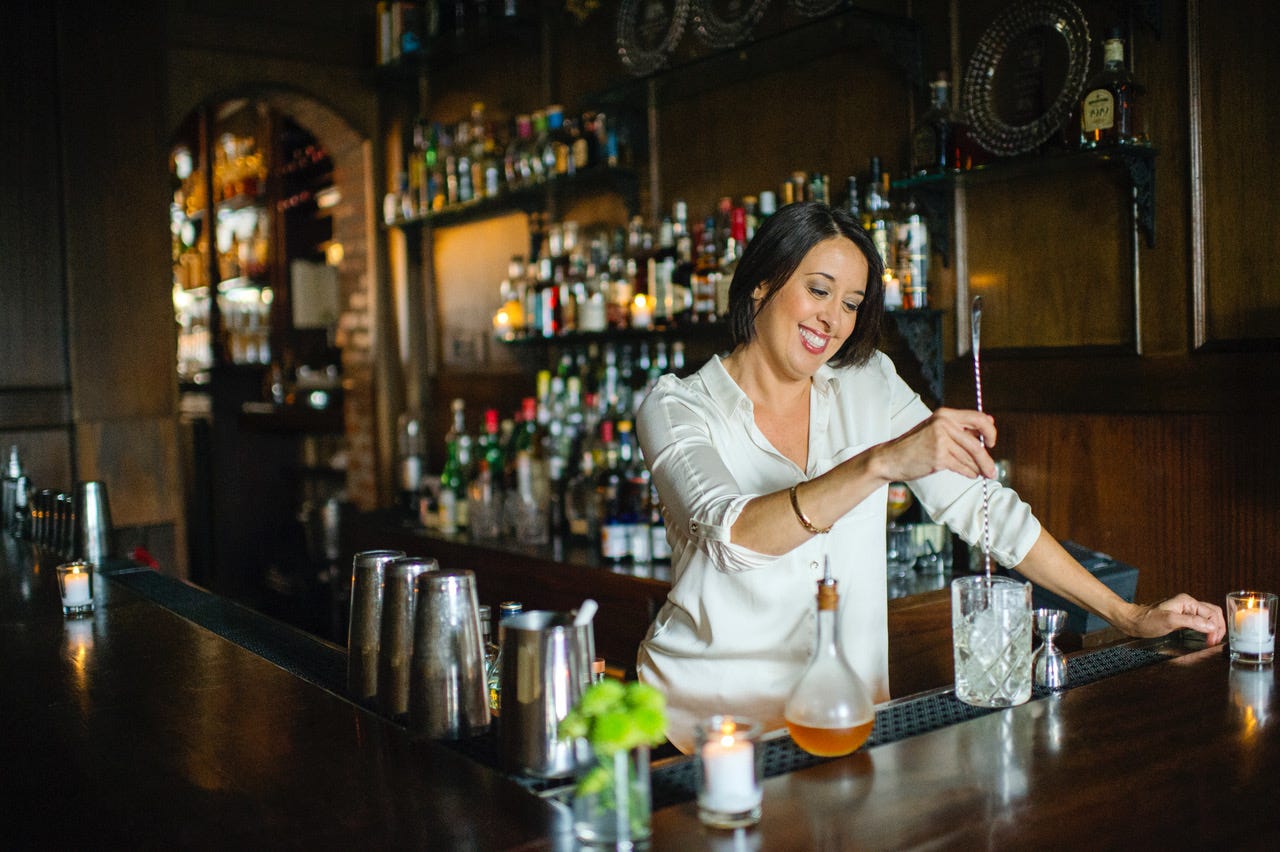
And while the creation of complexly distilled liquors like mezcal and whiskey were admittedly a little hard to grasp (there’s a reason why people get specialized certifications in making these drinks), I coincidentally became the most drawn to cocktails and wine—the latter of which proved to have a surprising amount of similarities to coffee.
Maybe it’s because I lived an hour away from Oregon wine country, maybe it’s because I simply love the taste, but I eventually became enamored with the fermented grape juice. The wine industry loves using this phrase that I think coffee should take notes from: “sense of place.” When you taste a wine, you also get a taste of “the land” it came from. And no, that doesn’t mean it’s going to taste like dirt… sort of. If a wine was grown in volcanic soil, that will be reflected in the wine’s heightened minerality and acidity. If the vines had to struggle against harsh winds and rocky soil, you end up with really bold, heavy-bodied wines.

In a similar way, coffee is also reflective of the “terroir” it came from. Coffees grown in volcanic soil also end up tasting just as bright and intense. Beans from Ethiopia tend to taste like blueberries—not just because of their processing methods (which is another rabbit hole you could go down if you wanted to learn how processing affects coffee) but also because of the high altitudes they’re grown at. Columbian coffees will even differ in flavors from region to region, ranging from sweet and nutty in the northern parts to more acidic and floral in the south.

It became invigorating to write stories about cocktails and wine using the similar terminology I had picked up from the coffee world. I understood how to write about flavor notes and pairings, and how sensory phrases like aroma and mouthfeel could be used to describe the many differences between a martini and a margarita. I loved learning about the deep history and romance of Italian spirits, as well as their own range of complex botanical ingredients, whose flavors begged you to want to know more.
And of course, I could also tell you about how fun it was to drink all of these spirits too. Honestly though, I wish I had more entertaining drunk stories to tell you out from that experience, but by the time I entered this role in my late twenties, I’d like to think I was a “sophisticated drinker” by that point.
Working for Imbibe Magazine continued to strengthen my belief that drinks are as complex as food. Cocktails can have as many culinary ingredients as a food dish, and that balancing these flavors together is just as much of an art form. It’s also probably ruined me from ever being able to enjoy a mai tai at a cheap dive bar or a boxed wine from the grocery store. But hey—for me, as someone who hasn’t made enough money in her career to enjoy a lot of life’s luxuries, I’ll continue to treat nice beverages as such.
 | A guest post by
|