I. The Question
He found me on a Wednesday. Not with urgency — just a text that said you free tonight? which, coming from him, was code for I need to understand something.
We’d met in 2022, when I was opening Matutina. He was working at a spot nearby, doing prep; a novice, by his own admission — and I watched him for about thirty seconds before I made up my mind. He was riding a skateboard when I said: I want you to come work for me. Not at the coffee shop. At the restaurant, at De Noche. He didn’t have a résumé. He didn’t need one. He had two things you can’t teach, which is curiosity and charisma that shows up in your body before your brain can explain it.
For two years, he absorbed everything. At the end of year two, he said he wanted to try the back of house elsewhere — really try it, not just float through it. I told him to go. I meant it. You don’t hold someone still so you can keep being impressed by them. You send them toward whatever’s calling.
A few months later I asked him to come help at República as we transitioned towards something new, which he did. At one point towards the closing of it, he was working both jobs, 6 days a week. Before we closed Republica, I made sure he had one day in that kitchen. One day working beside one of our chefs, so he could say — so he would know — that he had been part of what we built.
He met me at Comala that night, ordered a drink and looked at me the way young people look at you when they have a question they’re almost afraid to ask.
Why are you doing it again? he said. I say that because everyone around me keeps asking. They think you are losing your mind. Specially after we rode out on top.
I smiled. I said: no, my friend. I made sure you rode out on top. My ride still continues.
He sat with that for a moment.
I told him: that was one chapter. In this life, you’re going to be given a lot of opportunities to write more of them. The question isn’t why you keep going. The question is what you do with the next page when it arrives.
For the record, I was the one who asked to meet days before. I was planning on offering him a job in the kitchen, something he earned over the years. On that same Saturday night he came and did his stage at Lilia, working under the guidance of Chef Juan Gomez.
I keep saying this to anyone that will listen, mark my words, this kid is going to be a fucking star.
II. Eight Days In
The daytime version of Republica is now eight days old. People keep asking me why — why bring it back, why not rest, why not let the story end where it ended. I’ve answered this question more times than I can count, and I’ll answer it here one more time, plainly: I brought it back to keep the space alive. To keep momentum from dying. To reward the people who stayed. There is a plan. I can’t share all of it yet. What I can tell you is this: trust takes time, and the people who are still here have earned mine completely.
If you left because quesadillas and mole felt too simple for you, I wish you well. That food — done correctly, done with history and intention and technique — is not simple. It never was. The people who understand that are the ones still in this kitchen.
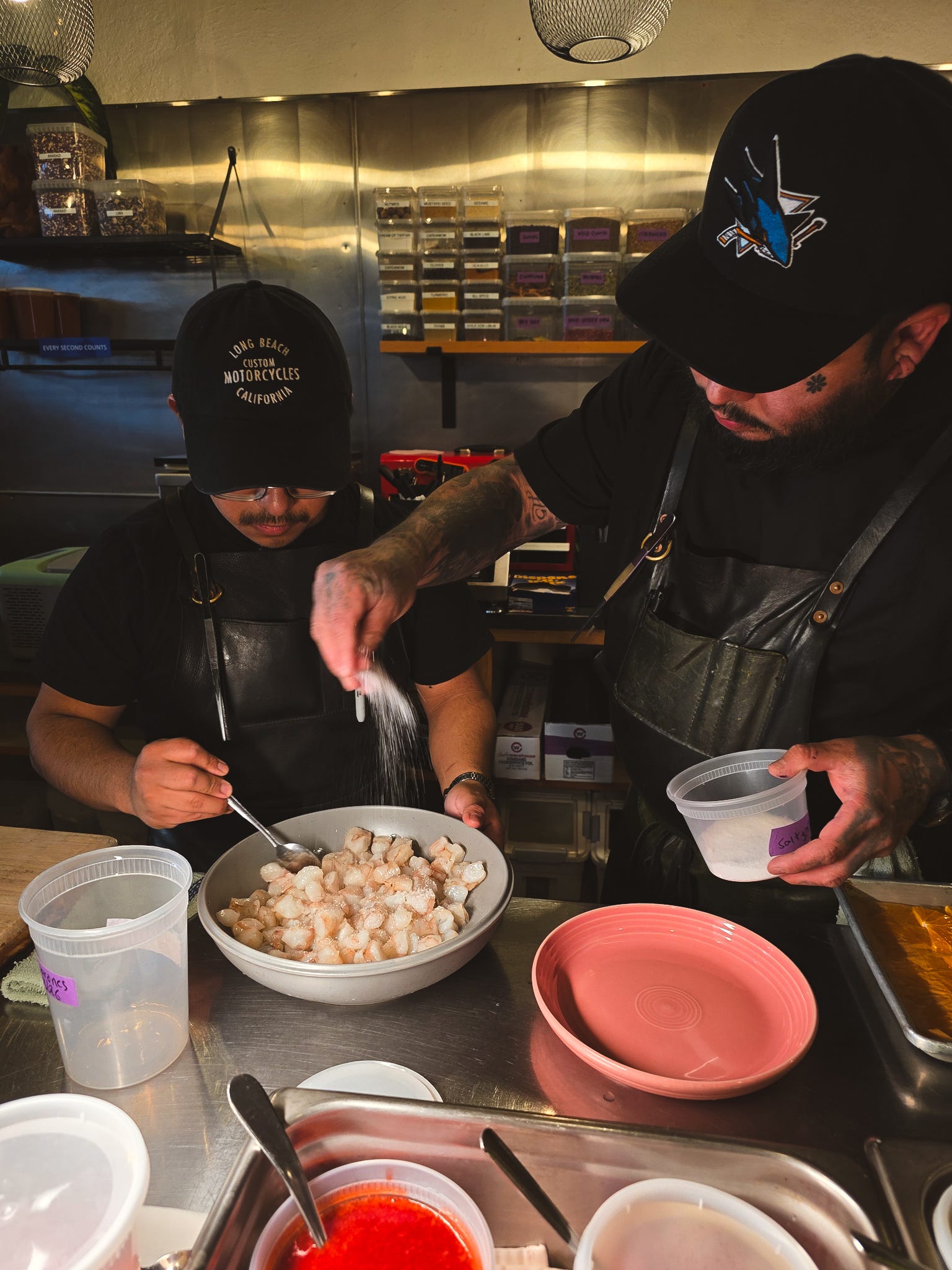
Friday was our best service to date. Everything that we’d been preaching about; using every component, wasting nothing, making traditional and untraditional recados, moles, sour creams, queso fresco, requeson, and even the butter in-house, turning the day-end conchas into something that should have its own menu section — all of it came together in a way that felt earned. At the end of service, I stood in the kitchen and felt something I hadn’t felt in a while: confidence without asterisks.
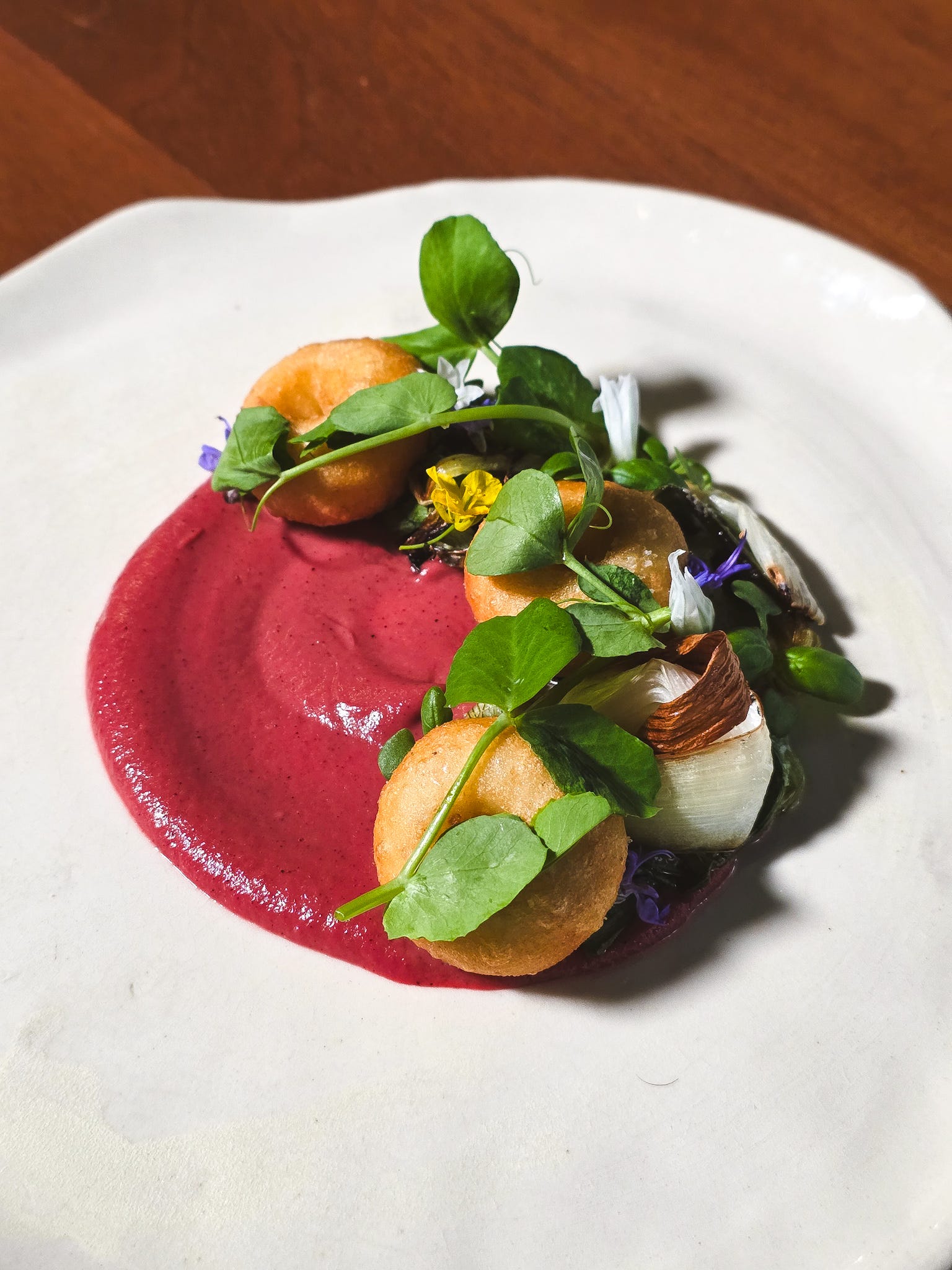
Saturday morning, farmers market. I grabbed my big blue IKEA bag (if you’re buying produce in volume, those dollar bags at checkout are not a joke) and walked the stalls until those bags were full. Sprouting broccoli, spring onions, leeks, fennel, mizuna, pea shoots, radishes so French they looked like they had an opinion about everything. I brought it all back and ran straight to my wonderful Chef Hannah Ruth. We had thirty minutes before service. This is what we had talked about the day before. From there I watched as she built a mole from cabbage, beets, and pinenuts. From there she took potato and corn and made the most beautiful chochoyotes, finishing that beautiful plate with the greens and pea shoots.
That’s the thing about spring. It reminds you why we do this. Mexican cuisine should change every time you walk through a door; not the foundations, not the salsas and the masa, but the thing at the center of the plate. That thing should tell you exactly where you are in the season, exactly what the land has decided to offer. Saturday, it offered everything.
That evening, I sat with folks from the Portland Fire (WNBA) organization and talked about life, mezcal, and even draft strategy. The night before, I’d watched my dear friend Farnell Newton play at 1905; a quartet that became a quintet somewhere in the second set, the way good jazz always finds more room. I keep thinking: this is my life. I get to call Lovelies and have them hold a table. I get to walk two blocks and sit center floor for a set that goes twelve minutes per song without apology. I get to have opinions about who should go first in the expansion draft and someone actually wants to hear them. I don’t say that to brag. I say it because I spent a long time not being sure I’d get to live like this, and I don’t want to forget to notice it.
Sunday was quiet. Post-protest quiet, which anyone who’s operated downtown long enough learns to read in the forecast before they read it in the sales. But Levi Martinez of Orox Leather came in with his wonderful wife, and my favorite food writer, my dear friend Jordan Michaelman came in not long after, and I fed them both something I’ve been calling a chef’s tasting brunch — not a formal thing, just a way of saying I see you, and I want to give you the real version of what we’re doing. Jordan gave me advice on a project I’m working toward. He asked me: is it about you, or is it about them? I’ve been sitting with that since.
Eight days. Nothing but growth
III. One Last Thing
Two Wednesdays ago — the week before we relaunched — I reached out to Luna.
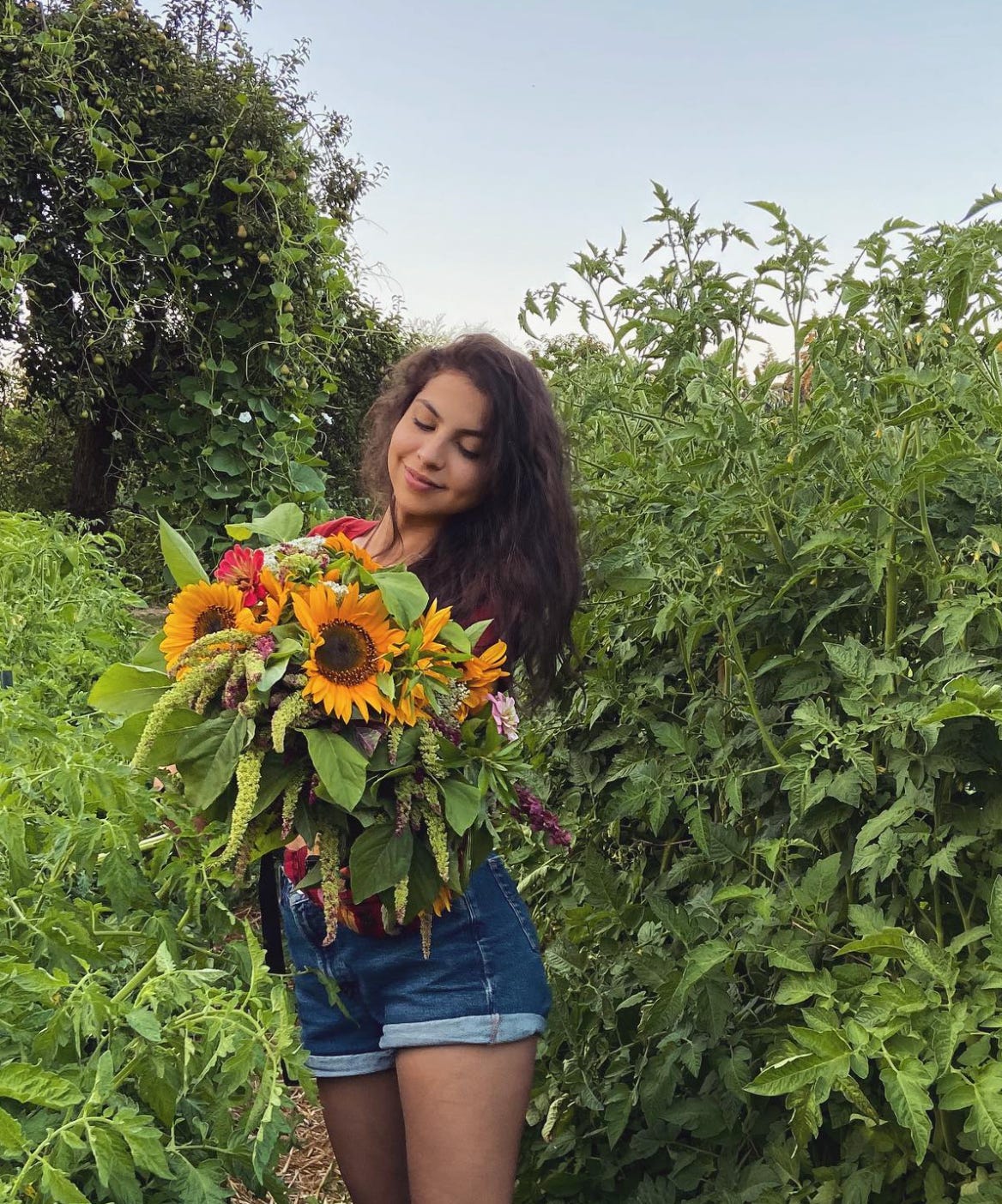
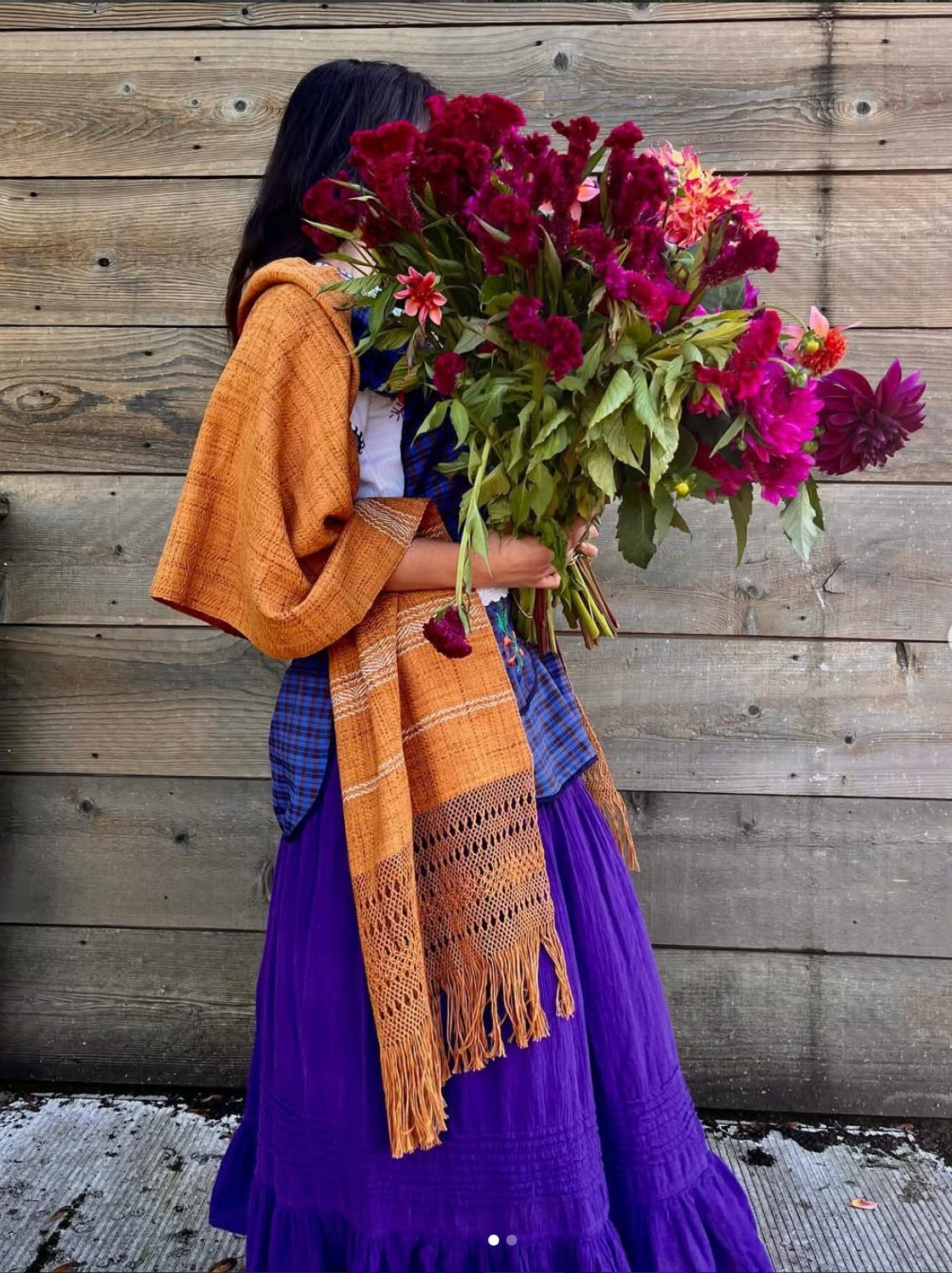
Her father is Henry. Her sister is Estrella. Together, they own Satoi Farms here in Portland, a family that came to this work carrying an indigenous reverence for the land that I find myself drawn to the way you’re drawn to people who remind you of something you already believe but haven’t said out loud yet. They speak about their ancestors the way that others mention cousins and uncles — because that’s exactly who they are. For a lot of us, the ancestors are not metaphor. They are the ones we cook for. The ones we call on when we need something that confidence alone can’t provide.
I called her and said: Luna, give me a list. Everything you have. Flowers, lettuces, avocado leaves, whatever’s ready; I’m going to use all of it.
What are you going to make? she asked.
I said: I don’t know yet. We’ll figure it out.
She sent back a thumbs up and a laughing emoji. No hesitation.
The next morning, I showed up to the farm. Luna and Estrella were waiting with baskets and bags: red-veined sorrel, leafy greens, rosemary flowers, a beautiful chaos of things that had no plan yet. I looked at everything and said it out loud: we’re going to make the best fucking salad in Portland. We both laughed, because neither of us knew what it would become.
What it became was a tostada. Mole blanco built from pine nuts, celeriac, cauliflower — silky, pale, careful. Topped with red-veined sorrel, spring greens, beet salsa for color and contrast and a reminder that beauty is sometimes just the right thing placed next to the right thing. I photographed it the moment it went out and sent it to her. She liked it immediately.
There is a particular joy in that exchange; making something from what someone else grew with their hands and then showing them what it became. You made this, I always think. I just finished it.
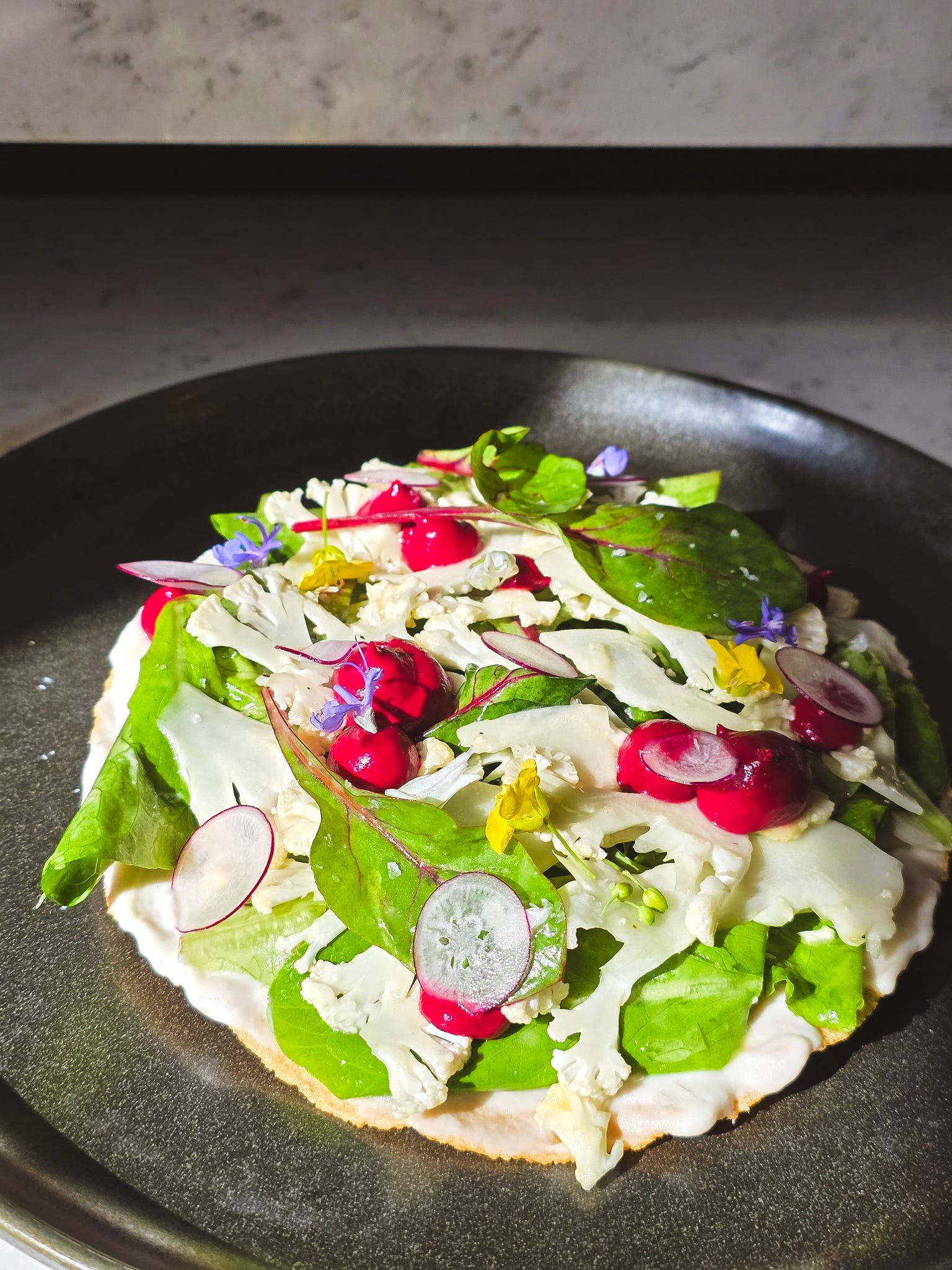
This past Tuesday, I sent her a message. No response.
Wednesday, Estrella reached out. She asked me to call when I had a chance. I thought: something must have happened to the farm. Something weather-related, or worse. I ran through the possibilities the way you do when you’re avoiding the one you can’t quite let yourself name.
The first thing she said to me was: Angel, I’m afraid to tell you that Luna has joined the ancestors.
I paused. I didn’t ask questions. I just received it.
I held on, because my grief was not comparable to the grief of a younger sister making these calls. You learn that quickly — when someone hands you that kind of news, the only thing you owe them is to carry it without making it about yourself. She invited me to join the family on Monday, today, for a celebration of Luna’s life.
I’ve been sitting with this for days. Luna was young. Full of something; I want to call it aliveness, which sounds redundant, but you know what I mean. You know the quality I’m talking about in certain people, the way they are genuinely interested in the small things: a bug she’d found in the garden, a tiny snake, the colors of the screen printing she was doing, the way botany intersects with memory and memory intersects with the table. Every conversation we had was the kind where you recognize each other quickly, where trust builds faster than the calendar would suggest it should.
And here is the thing I can’t stop returning to.
That Thursday morning, I was rushing to service. She was at the farm. She looked at me and said: you want to come walk through, there is so much to see!? I said I wanted to, but I had to get back. She said, okay, maybe this weekend. I said, yeah, maybe this weekend.
I went back to service. I didn’t go back to the farm.
I’ve been beating myself up about it since. Not in a way that helps. In the circular, exhausting way where you replay the five seconds you had to say yes and kept saying no, kept moving, kept building and producing and rushing toward whatever was next. She was right there. She wanted to show me something. And I was already somewhere else in my head.
None of it matters now in the way that guilt usually argues it does. The moment is not recoverable, and guilt is not the same as love. What matters is this: the tostada is still on the menu. And I don’t know how to look at it the same way. What was already a dish built from her hands is now something else entirely — a kind of carrying, a plate that holds more than the people sitting in front of it will know.
I believe — with everything I have — that the food we make carries the people who made it possible. Not symbolically. Not as a nice thing to say. As a real thing, the way memory is real, the way the hands that grew what’s on your plate are present in every bite whether you know their name or not.
Tonight, I’ll be with her family. I’ll try to be good at sitting still. I’ll try not to rush.
I’m learning — slowly, still — that some things don’t need to be gotten back to. Some things just need you to stop, and look, and say: yes. I’ll come. Show me what you’re growing.