

In this first installment of Humble Kitchen, we sit down with Olivia Bartruff, a pastry chef and culinary director who speaks about kitchens the way they actually function. (and not the way they’re mythologized).
Our conversation moves through power, gender, leadership, and care. We talk about confidence that gets misread, tenderness that still holds people accountable, and the quiet discipline required to run a kitchen without fear. Olivia reflects on bodies, trust, mental health, collaboration, and the emotional toll of small business ownership; alongside the life-giving act of making pastry.
What we’ve learned:
A kitchen is a test of power, trust, and how you speak when something goes wrong.

Women In Leadership Roles
I always tell our female employees — especially as they move into managerial positions — that men will often act like they know better than you, not necessarily because they do know better, but because they speak with the confidence that they’re correct. That confidence doesn’t mean they know more than you.
Hold your ground.
On Being “Too Much”
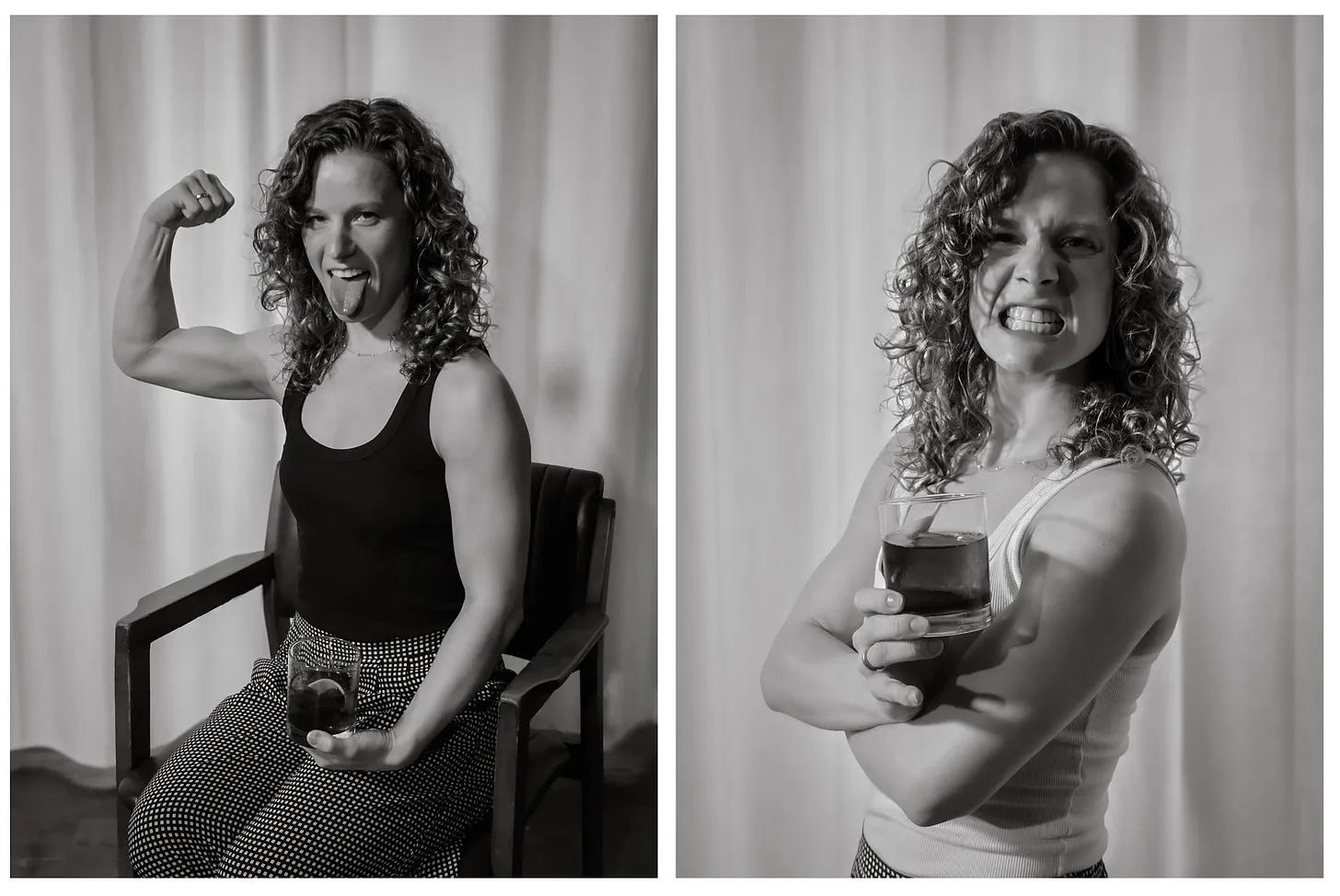
I don’t think I’ve ever been called “too much” necessarily, but I’ve been called intimidating a lot. I realized pretty early into my teens that being intimidating was good. I took it to mean I was being seen as someone to contend with, not as an object of sex or even affection
Mimicking The Old Guard, or, Performing Masculinity
The very notion of “masculine” or “feminine” styles of leadership is restrictive. That said, using the stereotypical definitions of those terms, I think of female leadership as leaving room for tenderness. It’s the ability to see the person in front of you and to sympathize with what they’re going through without excusing their behavior. It means meeting people where they are while still upholding the requirements of the job.
I’ve found that when people feel seen and are given kindness alongside clear expectations, they usually rise to those expectations. And, at the very least, they leave without deep ill will because you, as leadership, didn’t let your discomfort with their struggles make you unnecessarily harsh or blame-oriented.
That, to me, is feminine leadership.
The Abusive Genius Chef. Trope or Reality?
I think the celebration of the abusive genius chef is mostly disappearing (with the glaring exception of The Bear).
Problematic behavior gets noticed quicker now and addressed faster. In some cases, chefs have been taken down who maybe weren’t even necessarily abusive, but were caught under the broader umbrella of toxic work environments.
The people rising in the industry now have a different set of values. They’re interested in teamwork and collaboration, not domination or their own monomaniacal ego-driven vision that is executed at the expense of those around them.
Those are the chefs who will eventually lead – and who have already started to lead – America’s preeminent kitchens.
Give Your Teammates the Benefit of the Doubt
If you trust someone enough to be in your kitchen, that means you should believe they have good intentions. If you get to the point where you fundamentally cannot believe that about them, then they no longer have a place in your kitchen.
If you keep that person, that’s when it actually becomes a toxic work environment.
On How to Behave
If you cannot speak to people properly, you are the one who has no business being there – not them – no matter how badly they fucked up.

Kindness is Not the Same as Being Agreeable
I think we’re often guilty of mistaking kindness for what’s easy.
We tell people what they want to hear; we give slack where it isn’t helpful; we sacrifice our own well-being, or that of the business, or that of the team, for what we think in the moment is to the benefit of others.
That’s a fallacy.
We’re not being kind in those moments. We’re being nice: we are doing what is easy and calling it kindness.
Curiosity is the Only Innovator
I think if you are approaching innovation with the goal of making something innovative you are doing it out of insecurity. You are only able to stumble upon something innovative when you are being curious.
This Stress is Going to Kill You
The job of pastry chef is only life-giving.
Restaurant ownership, however, is aging. For some people (or maybe just idiots like us) it comes with constant financial insecurity. That insecurity strains relationships. It erodes your sense of self-worth. It makes it harder to feel capable of managing your own life. It means letting people down constantly. It means letting yourself down constantly.
And it makes it hard to look anyone in the eye.
Food as Desire
I have always found food to be sexy. Anyone who has had the privilege of eating real food – ripened perfectly, cooked well, picked off the vine – feels this inherently. That kind of food hits all of our pleasure centers: visual, olfactory, gustation, and even auditory as we chew and crunch.
Fried chicken that drips grease down our hands; a little too hot to hold. Crispy chips that drown out the sound of our own thoughts as we crunch them by the fistful. Pliable dough that presses back softly into our palms as we knead it, binding gluten networks to make moist, pillowy chew. The first apple you’ve ever had that tastes like flowers and honey instead of the mealy, mildewy sweet styrofoam you’ve had before. Summer peaches still warm from the tree that leave sticky residue in your beard. Bliss. It may be that nothing can consume your senses with pleasure in the way good food does.
Run, You Cunt!
I think anyone who has employees or manages people has a responsibility to take care of themselves so we can take care of others. Or at least not make their day worse
So I try to get enough sleep and I try to exercise. That’s about it.
Your staff, more than you realize, can pick up on micro changes in your presence. Early on, I had someone quit and tell me that one of the main reasons they were leaving was they didn’t know what mood I would come in with. That’s one of the hardest and most important things anyone has ever told me. From that point on, I made sure to take a breath before I walked inside and to show up even-keel (as often as possible) so no one ever feels like they have to walk on eggshells around me.
Why Are You Wearing Heels to Work
I usually wear Birkenstocks. The leather ones. You can clean them, polish them, get them resoled. Sometimes I wear the Doc Marten’s work boots (never regular docs).
I’ve never understood how chefs wear clogs. It’s like wearing high heels your entire shift.
On Feeding Yourself Something Other Than Smucker’s Uncrustables
If I’m home I make weird snacks. Last night we had spinach salad, an apple with gouda, and popcorn.
My partner and I go out sometimes on Mondays and Tuesdays, but almost always to the same places: Luce, Lovely’s Fifty Fifty, and Yama Sushi. We have enough going on that the comfort of what we know is what we crave. Plus, most restaurants operate the same days we do.
Living a Dream
When República made it into Bon Appétit’s list of the ten best new restaurants in the US, I felt like a child. There was a photo of me in it and a photo of my dessert.
I have read Bon Appétit since I was little and it felt like a far away impossibility. Being in it felt surreal.
Salt is Flavor, but You Already Knew That, Sort Of
I think pastry chefs, in general, under-salt. Professional bakers aren’t guilty of this because they stick to their trusted baker’s ratios, but pastry chefs chronically under-salt their doughs and bases.
No salt = no flavor. Everyone knows this to be the case in savory cooking, but it still gets left behind in pastry. You can have the best donut in the world, but if you didn’t put enough salt in the dough, it’s a bad donut.
If You Are Going to Be a Drunk, Be a Bitter Drunk
I almost always get a Black Manhattan. If I were rich I don’t know what whiskey I would drink, but because I’m not, I usually go for Three Monkeys scotch or Rittenhouse Rye. Bourbon makes it too sweet with the Averna.
Photos by Angel Medina