

Volume 3: Third Seating
Seven voices. One table. Stories about what stays when everything else tries to leave.

Welcome to the third installment of Between Courses from TODOS Media and República & Co.
If you’re reading this on Saturday, January 25th, you might be feeling it too—that weight in your chest that settles in when you see what’s happening in the world and wonder what you’re supposed to do with all that grief, all that rage, all that helplessness.
Some days are harder than others. Some days, the news breaks you before breakfast.
We don’t have answers for what you’re feeling. We’re feeling it too. But we do have this: stories. Seven of them. From people who keep building even when the ground shifts. Who keep cooking even when the dining room empties. Who keep pouring even when nobody’s ordering. Who keep creating even when silence is louder than applause.
This issue isn’t an escape from the weight. It’s a reminder that the weight is shared. That somewhere, someone else is also deciding to keep going. To stay true. To refuse to let the world make them smaller, quieter, or more palatable.
What follows are seven perspectives on authenticity in a world that rewards compromise. On staying the same when everything around you demands you change. On building spaces that didn’t exist because the world wasn’t ready to make room for you. On loss that teaches you what mattered all along.
We’re combining seven publications into one: Curada, SORBIDO, Holy Spirits, One Last Thing, Cocina Noroeste, Humble Kitchen, and Portraits Of A City.
Some of these pieces will sit heavy. Some will make you hungry. Some will make you feel less alone. All of them will remind you why we keep the doors open.
This is what it means to stay unapologetically yourself when the world wants you to apologize for existing.
Let’s begin.
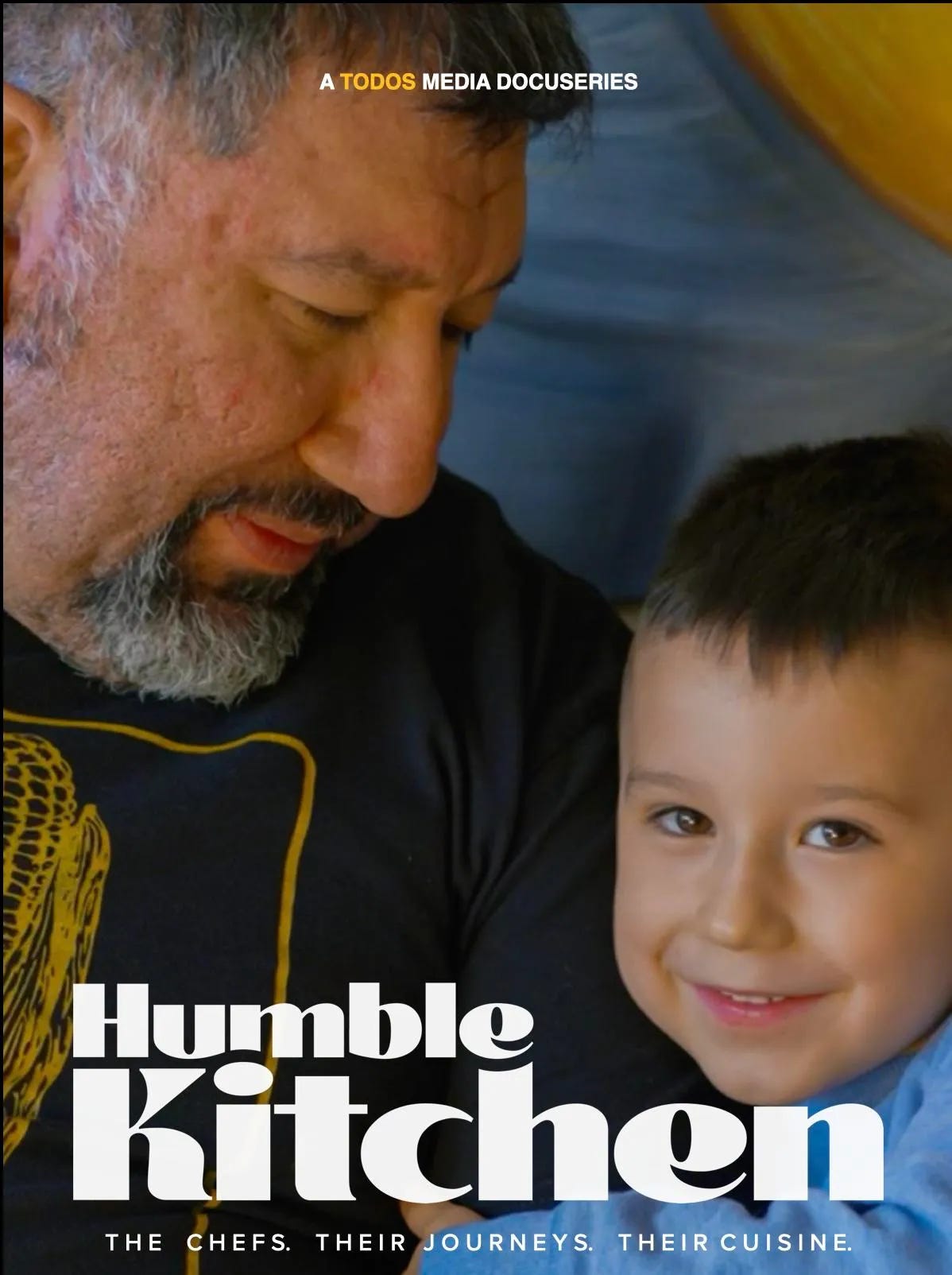
HUMBLE KITCHEN
Help Us Release Humble Kitchen In The Coming Weeks
A time-sensitive ask to help us share an urgent story from Minneapolis.
Last year we produced our first full-length project: a 4-episode documentary series called Humble Kitchen. It’s a story about immigrant chefs who came to this country with culture, belief, discipline, and ambition — but also the full reality of what it means to build a life here while carrying everything that comes with being an immigrant in America.
We made it because we believed these stories would be relevant. I didn’t realize how relevant they were going to become.
The episode we’re trying to put into the world right now is the story of Chef Gustavo Romero. Some of you will recognize the last name; Gustavo is a cousin of our former chef and co-owner, the late Lauro Romero. Same small town. Same passion for their heritage.
His story is remarkable on its own. But what’s happening around him makes it urgent.
Earlier this week, Gustavo and his wife, Chef Kate Romero, were nominated for Best Chef: Midwest by the James Beard Foundation. When I called to congratulate them, we didn’t talk about celebration for long. We talked about survival. The real question became: Are we going to make it to June? Are we going to be open? Are we going to be able to keep our people employed?
We have this powerful episode — and we believe right now is the moment to share it. But to do it right, we need to finish the final touches and bring on a local Minneapolis PR team to help us place the story properly.
We didn’t budget for an early release. So we’re hoping you can help us raise $12,000 to get this across the finish line.
If we can pull this together, we can put the episode into the coming weeks, when it can actually meet the moment we’re living in.
Read more + support the release →
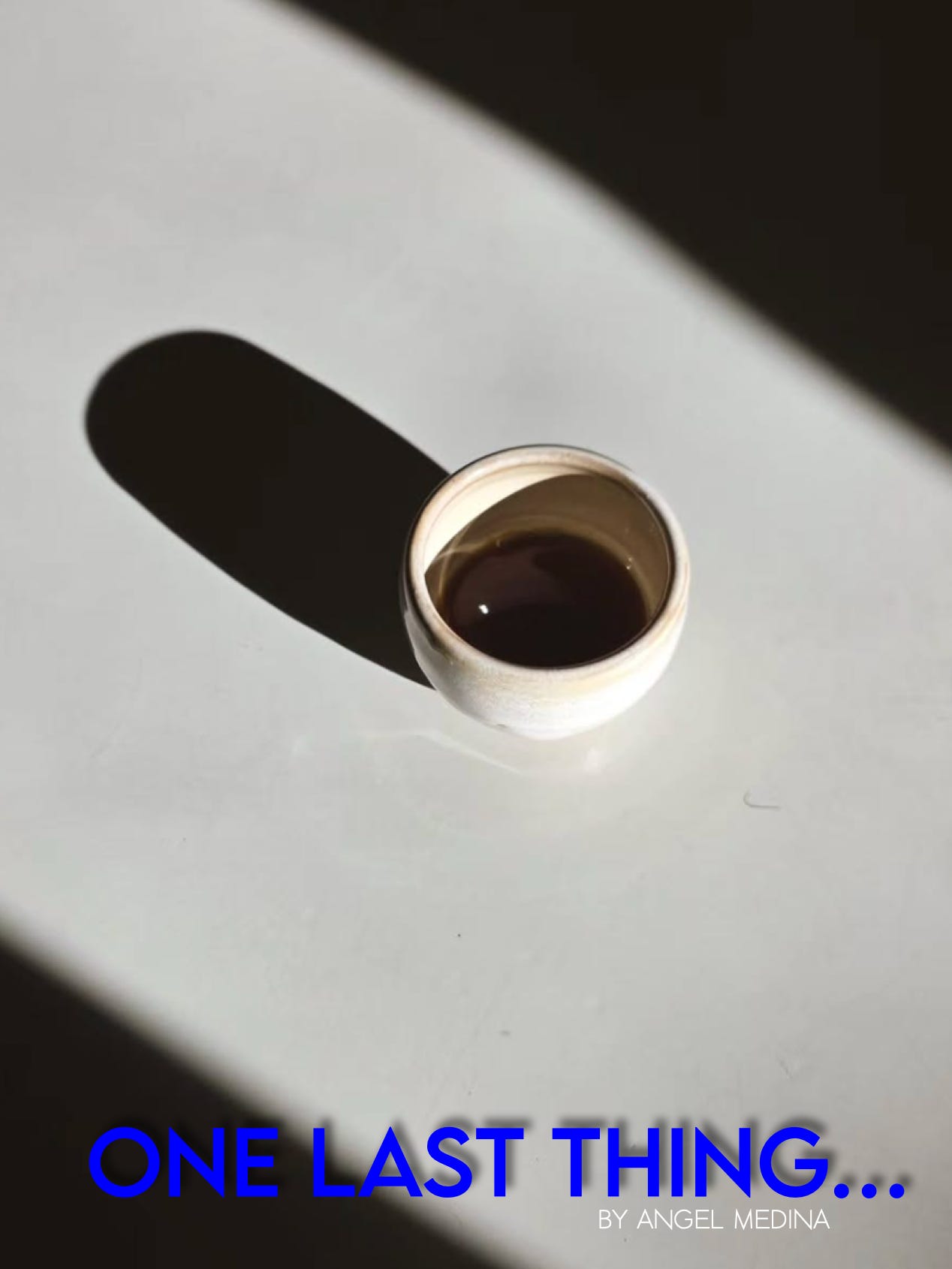
ONE LAST THING…
On The Closing of Electrica
The art of building something that didn’t need to last forever to matter.
Back in 2017, when I opened Kiosko, I was nobody.
I didn’t come from coffee. I didn’t have a restaurant. I didn’t have a brand. I just had a few people who believed in me, and I was trying to build something out of instinct and stubbornness in the middle of summer while nobody was watching.
And then one day, Seiji showed up with a camera.
Then he showed up again. And again.
That’s how it started. Seiji supported me. Sam showed up. The first big write-up came courtesy of The Oregonian. Fast forward to 2022, and we opened Electrica—a coffee shop that followed absolutely no logic or rule that existed before. No avocado toast. No predictably mediocre chilaquiles. Just the idea that when you came here, you were going to have something like nothing else in this town.
For three years, I watched that shop build from a distance. Watching what he built. What his team built. The reputation they earned—not just for great coffee, but for how the place felt.
This week, Electrica closed its doors. It’s such a loss. But it’s also such a powerful thing that happened within a three-year span. Maybe if we thought about life with a finishing line, we’d enjoy the moments more. The moments in between.
Here’s to my dear friend, Seiji. Thank you for everything.
Read the full story + see the photography →
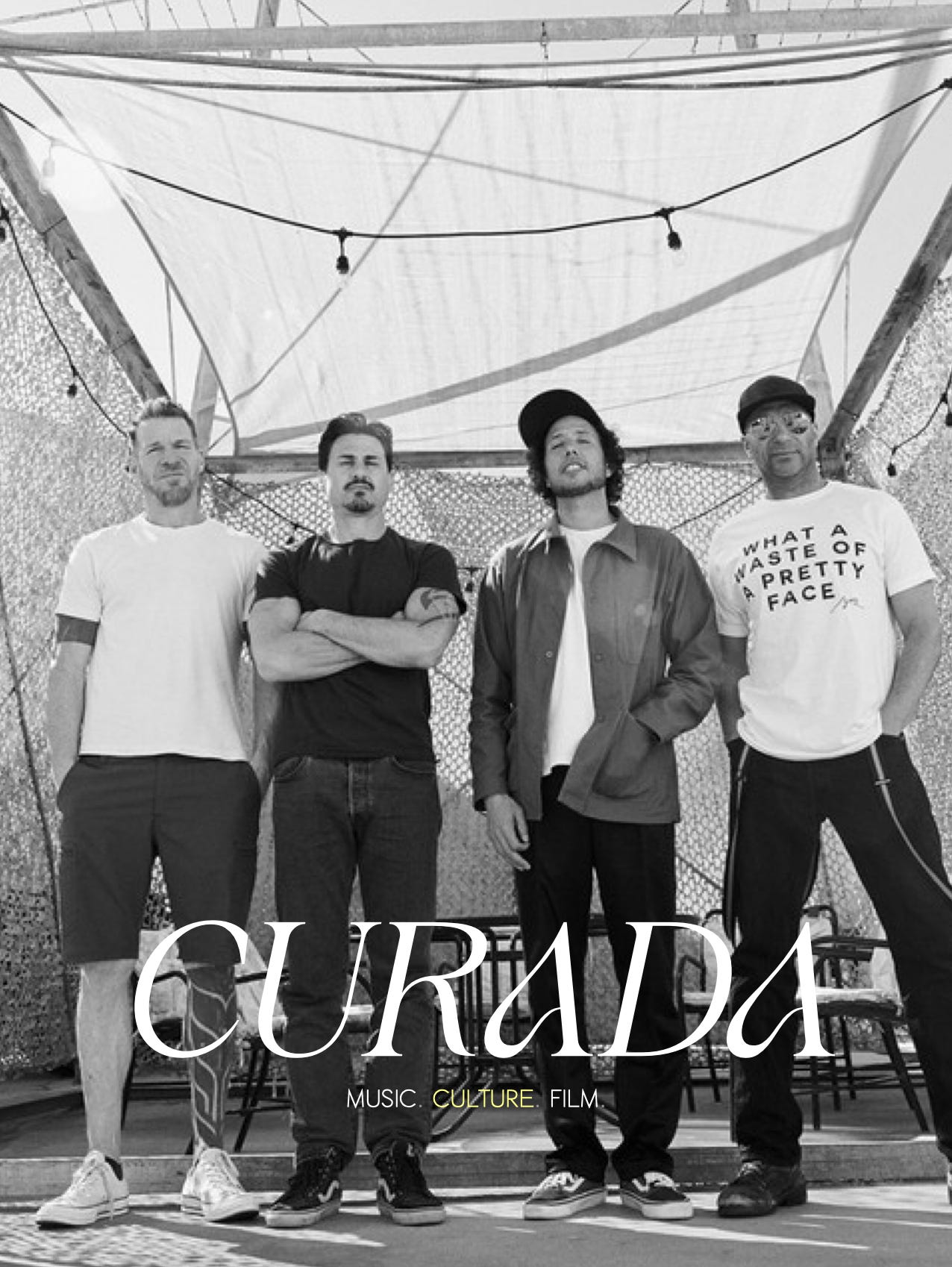
CURADA
The Battle of Our Lives
Rage Against the Machine and the sound of pattern recognition
There’s a temptation, when the world feels the way it does right now, to reach for things that calm you down. To lower the volume. To shut off social media. To pretend that calm is the same thing as safety.
You can do all of that.
But history doesn’t move quietly. And neither does the truth.
More than thirty years ago, Rage Against the Machine warned us about what happens when power stops pretending to listen. They weren’t being theatrical. They were being specific. They told us what it looks like when institutions harden. When dissent is tolerated—right up until it becomes inconvenient.
Listening now, it’s strange how familiar it all sounds. What we’re living through doesn’t feel new. It feels remembered. Call it prediction—call it pattern recognition. Either way you are not wrong.
What made Rage powerful—what still does—isn’t the volume alone. It’s the clarity. The discipline. The understanding that anger can be lucid. That loud doesn’t mean careless. That refusing neutrality is not the same thing as refusing thought.
So listen to it. Turn it up. Not to cosplay rebellion. But to remember that discomfort is often the first honest signal that something is wrong.
At a glance, this playlist might look like a relic. It isn’t. It’s a mirror.
Listen to the playlist + read the full feature →
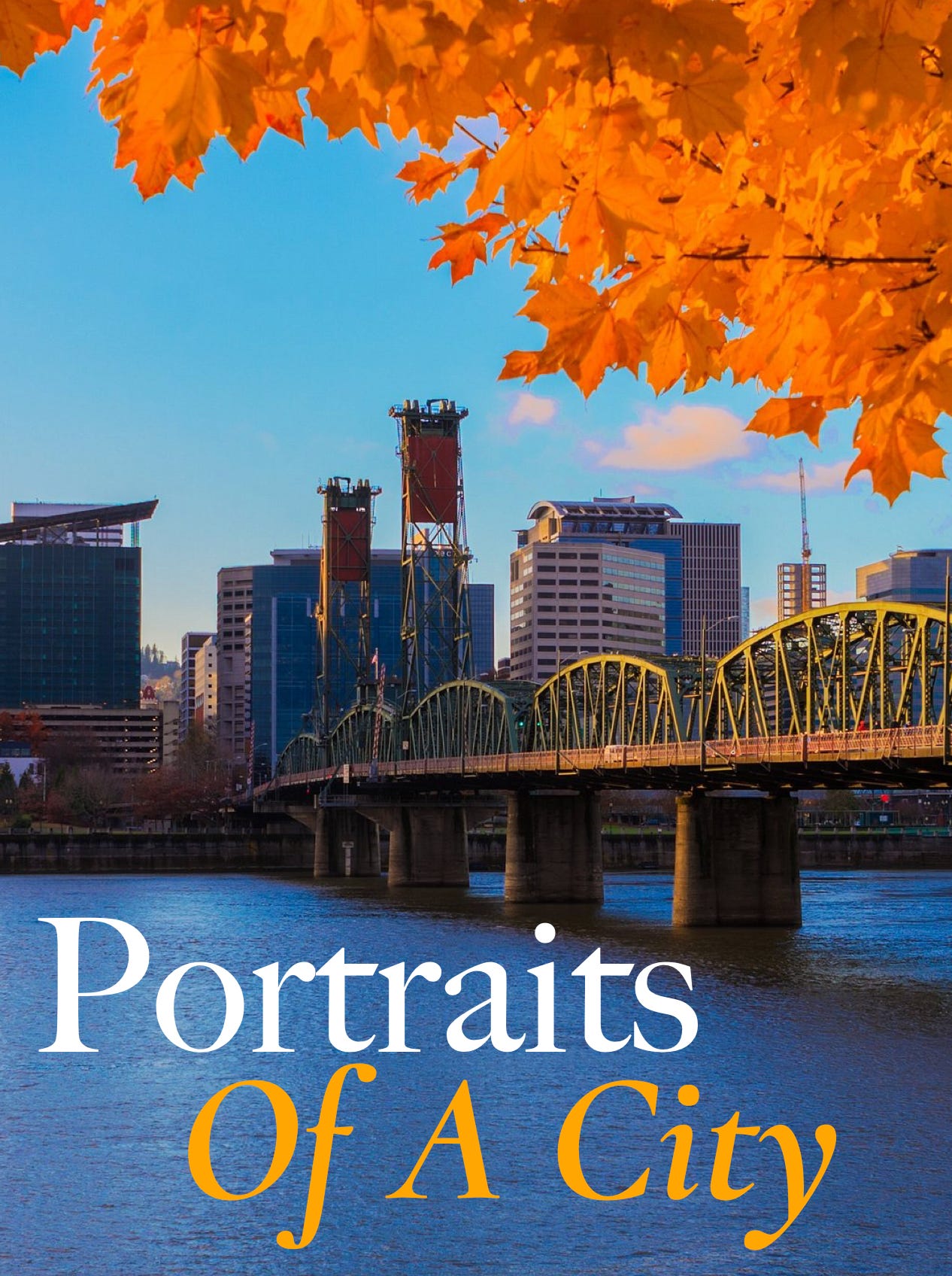
PORTRAITS OF A CITY
Portland: My Home Away From Home
How a punk kid from Mexico found his place in the Rose City.
To me, Portland is my home away from home.
I grew up in Mexico in a pretty conservative city. As a punk rock kid who went to extreme shows, horror movies, and got interested in filmmaking and special effects, I was always considered a misfit, a weirdo. But it wasn’t that, exactly. I just knew what I liked and what I didn’t like.
After my first visit to Portland, I sensed that it was also a place with people who were so art-driven—and fueled by coffee, another love of mine. There, I wasn’t a misfit or a weirdo for being into these things. The do-it-yourself ethos was alive all around the city.
Coffee is such a big part of the city and its persona. Places like Coava, Stumptown and Barista were pioneers who started trends that you now see globally. There’s something about the simplicity of delicious, unpretentious food that I love. And the small business community—there’s so many places where the community meets with a DIY mentality that’s very inspiring.
Whether I come to Portland for work, coffee, old movies, or photography, I always feel like I can be my true self in the city.
Read the full essay + see the photography →
COCINA NOROESTE
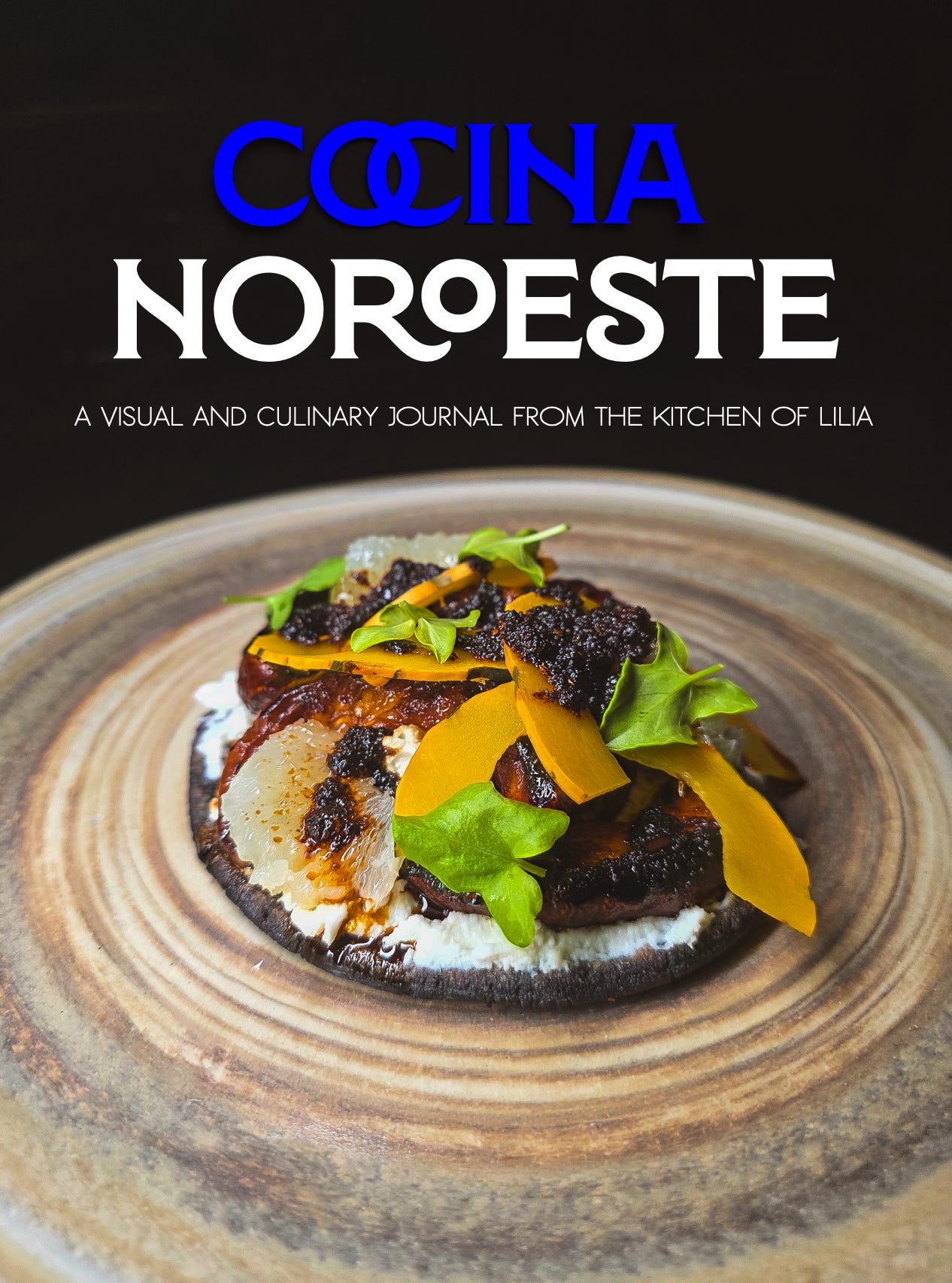
The Memela
Black futsu squash, Melogold, requesón, salsa negra
Every week at Lilia Comedor, we try to incorporate at least one masa concept into the menu. It doesn’t always make it because we are not necessarily a Mexican restaurant. We’re just inspired by Mexican-American ingredients.
When I thought about a memela, I knew that I didn’t really eat many of them growing up in Los Angeles, since the dish is originally from Oaxaca. What I like about the memela is the texture. It’s thicker than a tortilla, so it has a really soft consistency. But you should be able to cut it with a fork. It has a little bit of a tender chew, and a nice outer layer with a certain crunch to it.
This dish started with black futsu squash—a type of heirloom squash variety from Japan that I found at the Portland State University farmers market. To bring out the squash’s flavors, we roast it with koji. Combined with requesón, Melogold citrus, and our unapologetic salsa negra, it’s a dish built on texture, subtle flavor, and balance.
Like most of our dishes, we don’t necessarily divulge every single ingredient or step. My philosophy is that we’re supposed to make our food seem minimal, like it’s an attainable dish that anyone can do. But when they taste it, there’s a whirlwind of flavors that they weren’t ready for. That’s important because we want people to just trust us to do the work.
See the full breakdown + photography →
SORBIDO
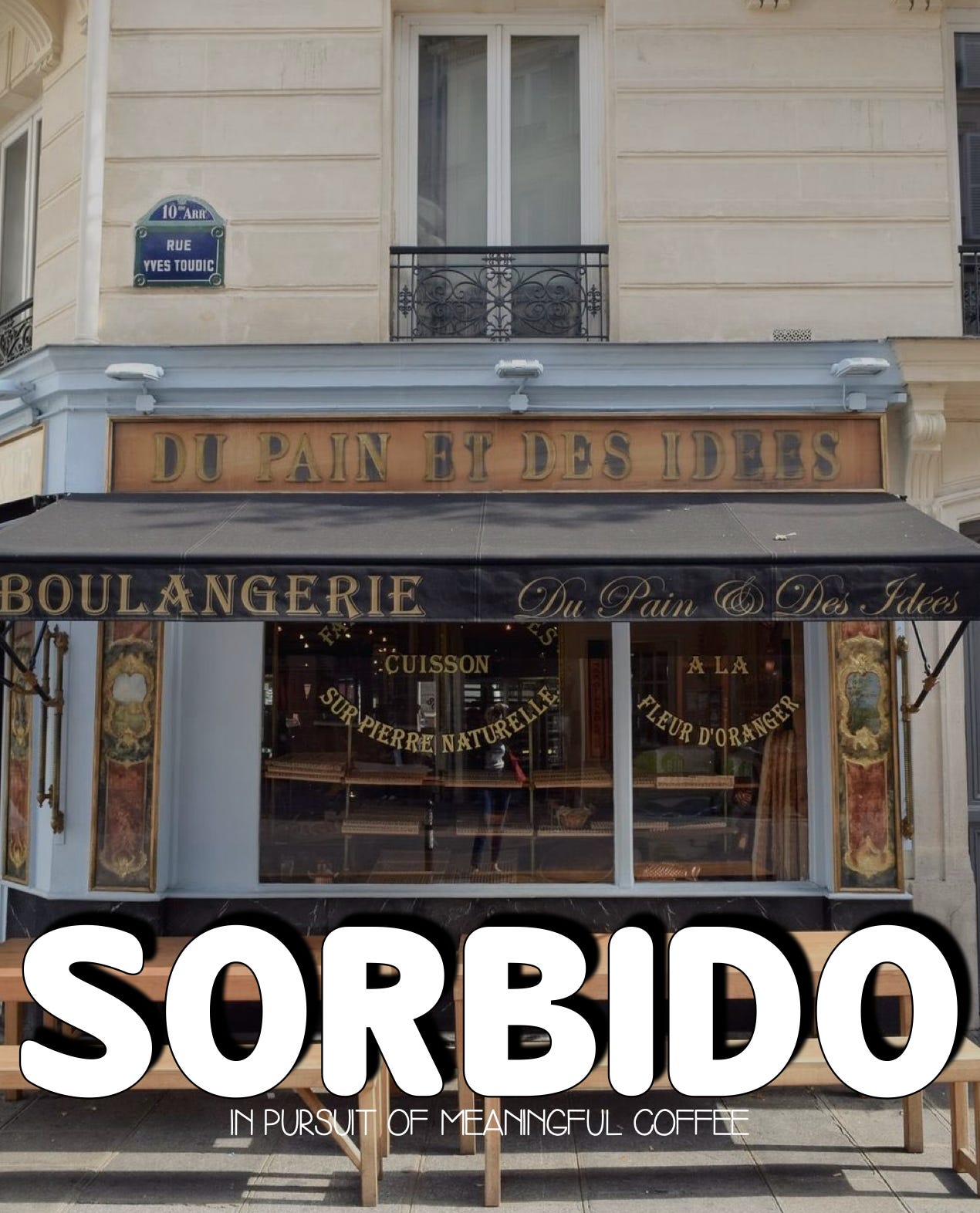
How Paris Became One of My Favorite Coffee-Drinking Cities
Paris’s latest wave of specialty coffee shops has made it climb my personal ranks.
Paris was the first solo vacation I took after the pandemic. Taking this trip was an opportunity to visit Paris for the first time, a city that I always assumed was financially unattainable for solo travel.
Prior to my trip, I hadn’t even bothered to research specialty coffee cafés. I had always heard that the coffee in Paris sucked. “Coffee in Paris is old school.” “It’s all dark roast and espresso.”
And while that may be true for some of the coffee scene in Paris, those statements don’t account for the last five years of new cafés in the city. Specialty coffee shops quickly became a large portion of my tourism in Paris. I drank fantastic drip coffee that was actually dialed in from cafés like Le Peloton, HolyBelly, Yellow Tucan, and Coutume.
Reflecting on that trip, I tried to understand how I had been so misled on the coffee scene. New cafés in Paris must have opened with higher standards in mind—light-roast coffees, weighed espresso shots, and thoughtful water sourcing.
Paris has been one of my favorite cities for drinking coffee. Not just because of the coffee quality, but because of the way its cafés welcomed me as a solo traveler.
Read the full story + see the photography →
HOLY SPIRITS
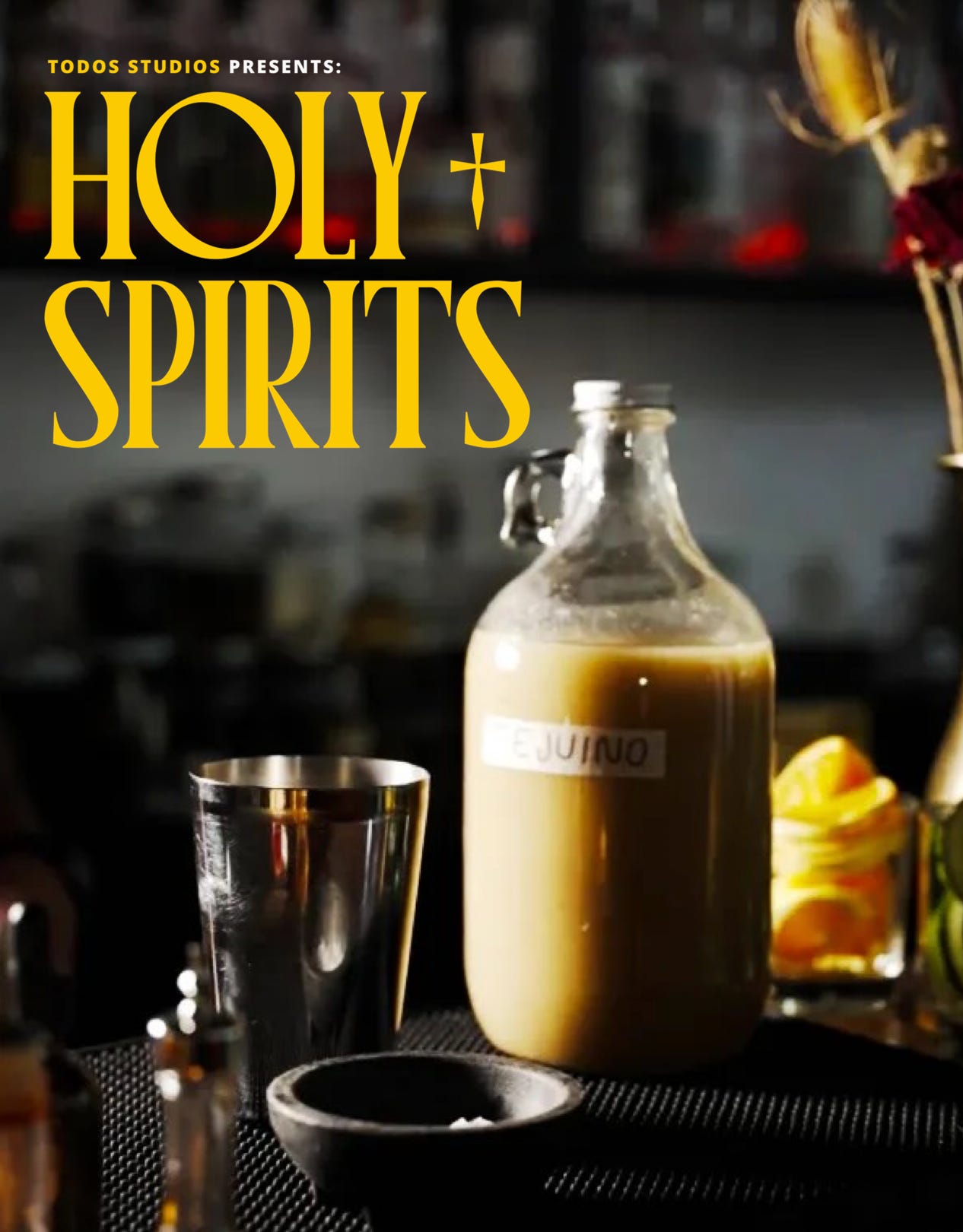
Tejuino Was Never Meant to Be Fancy
The Jaliscan fermented masa beverage lives on for its ability to withstand trends.
The first time most people try tejuino, they don’t like it. It’s cloudy. Slightly fermented. Sweet, sour, and somehow savory all at once. It’s served cold but never crisp, refreshing but not clean. For many people, the reaction is immediate: what is this supposed to be?
That confusion is intentional.
Tejuino comes from Jalisco, and also from corn, heat, and time. Long before it was a street drink, it was already doing what fermentation has always done best: taking something ordinary and bringing it to life. This process wasn’t meant to be refined. It wasn’t designed to be consistent. It was never supposed to be clean or polite.
Tejuino has survived through colonization, industrialization, soda, beer, and now kombucha—not because it adapted to trends, but because it stayed stubbornly the same. It kept being poured on sidewalks. It kept being adjusted daily depending on heat, humidity, and whoever was making it that morning.
Today, fermentation is fashionable. Natural wine. Wild ales. Sour beer. Tejuino has been doing this quietly for centuries, without labels, without branding, without trying to be cool.
So yes—it can be reinterpreted. It can be served cold and clean behind a bar, measured, strained, dressed up just enough to meet a different context. But the reinterpretation only works because somewhere else, in the heat, someone is still pouring it with imperfect dirty ice, squeezing a lime by hand, and not worrying whether you get it or not.
Read the full story + see the photography →
Until Next Time
Some days are heavy. Some days, you read the news and wonder how you’re supposed to keep moving forward when it feels like the ground beneath you is cracking open.
But this is what we have: each other. The stories we tell. The food we make. The spaces we build. The traditions we refuse to let die. The people who show up even when showing up feels impossible.
This volume isn’t about pretending the world is fine. It’s about acknowledging that even when the world is breaking, there are still people building. Still cooking. Still pouring. Still creating. Still believing that what they do matters.
Thank you for being here. Thank you for reading. Thank you for showing up when it’s hard to show up. Thank you for being part of what we’re building together.
We’re still here. Still at the table. Still believing.
TODOS Media
Seven publications. One table.
SUBSCRIBE: Curada • SORBIDO • Holy Spirits • One Last Thing.. • Humble Kitchen • Cocina Noroeste • Portraits Of A City
TODOS Media © 2026