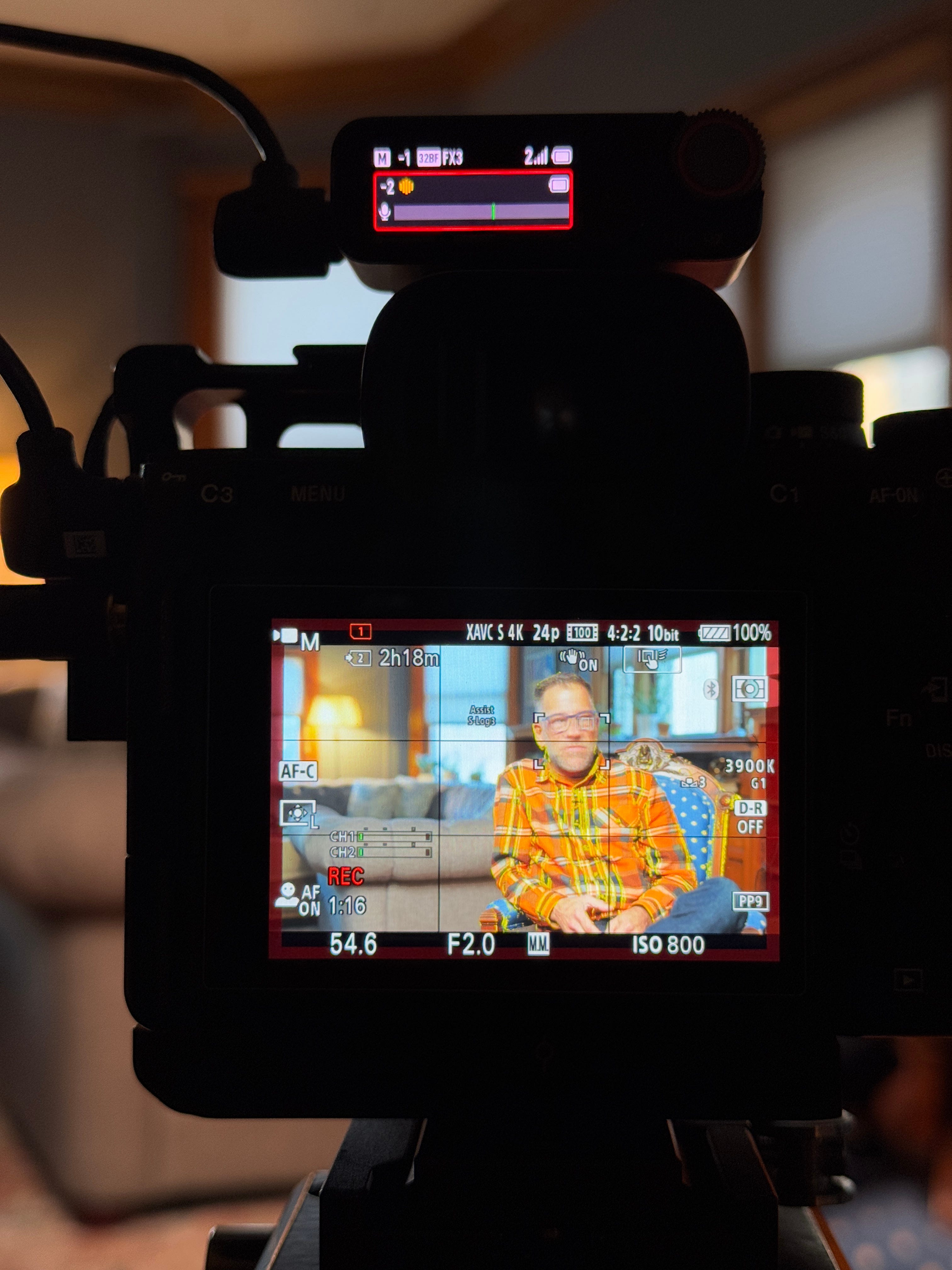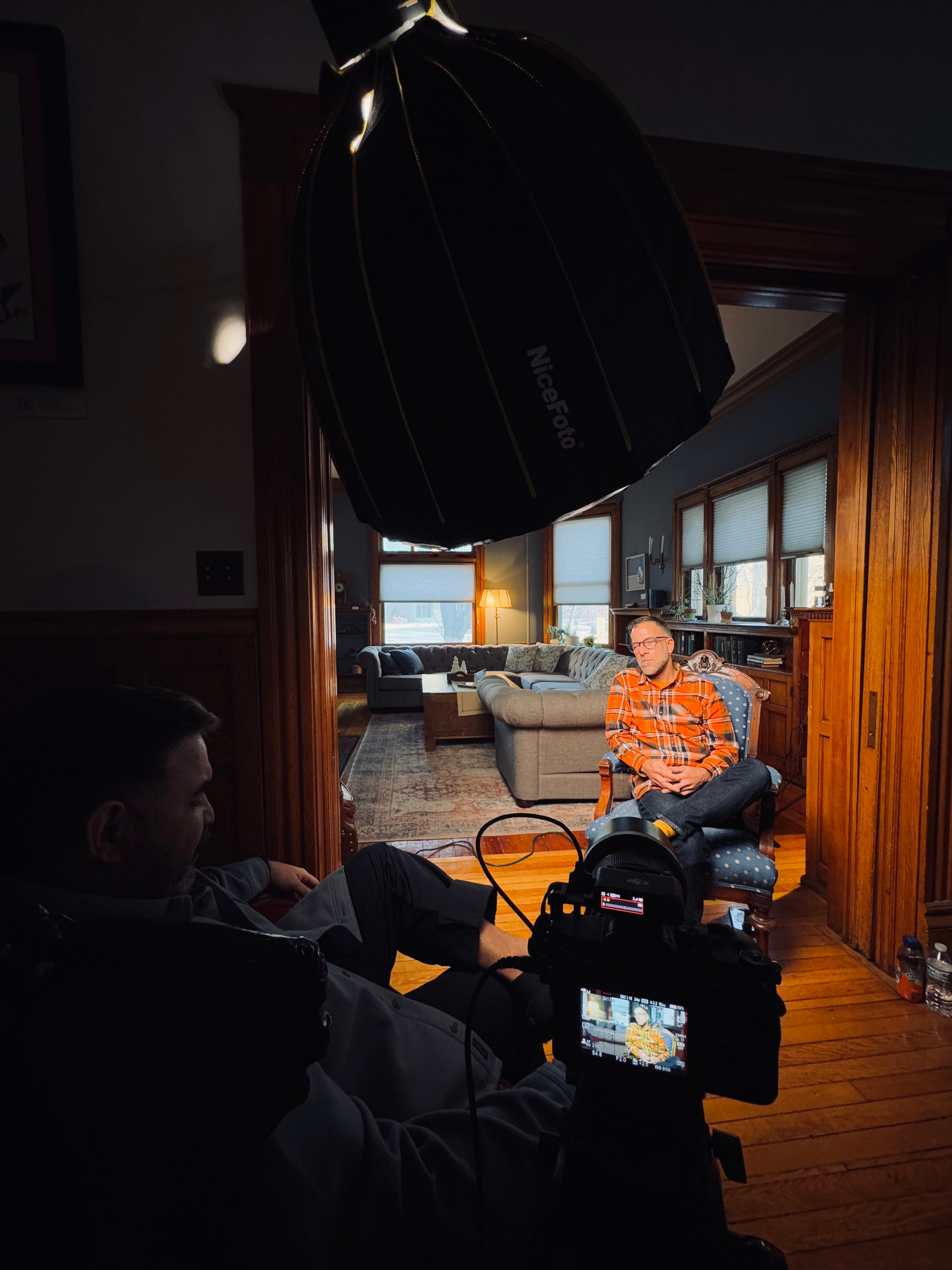
I’ll begin with an honest admission: watching a documentary about yourself is weird. There really isn’t a better word for it. I have spent most of my life behind a stove, where I know what to do with my hands and where I am comfortable being useful. Give me a pile of onions, a knife, and a cutting board, and I’m fine. Put my life on a movie screen in front of a theater full of people, and suddenly I have no idea what to do with myself.The opening of Humble Kitchen doesn’t ease into my story. It begins with me talking directly to the camera about when crack became a problem in my life. Then it cuts to me standing alone in Amilinda, slicing shallots, with the sound of the knife hitting the cutting board filling the silence. From there, it returns to me talking about the time I contemplated suicide.
Those scenes are difficult to watch, but the way they are placed together tells an important part of the story. During the years I was using drugs, I wasn’t working in kitchens. I had walked away from the thing that had given my life purpose and structure. Eventually, I realized how much I missed cooking. I wanted to get back into a kitchen, and more than that, I wanted to open a restaurant of my own. That desire gave me a reason to quit drugs and begin putting my life back together.
When the film shows me slicing shallots between those two painful admissions, it isn’t simply showing the work that kept me going. It is showing the work I had lost and the life I chose to return to.
When Angel Medina first approached me about making this film, I don’t think I fully understood what I was agreeing to. I thought we were going to talk about food, restaurants, and the usual chef stuff. Instead, we talked about everything: growing up, moving across the continent, opening restaurants, getting things wrong, addiction, loss, the pandemic, and all the times I wasn’t sure Amilinda, or I, would make it through. I have never been especially comfortable talking about some of those things. Cooking has always been easier than explaining myself.
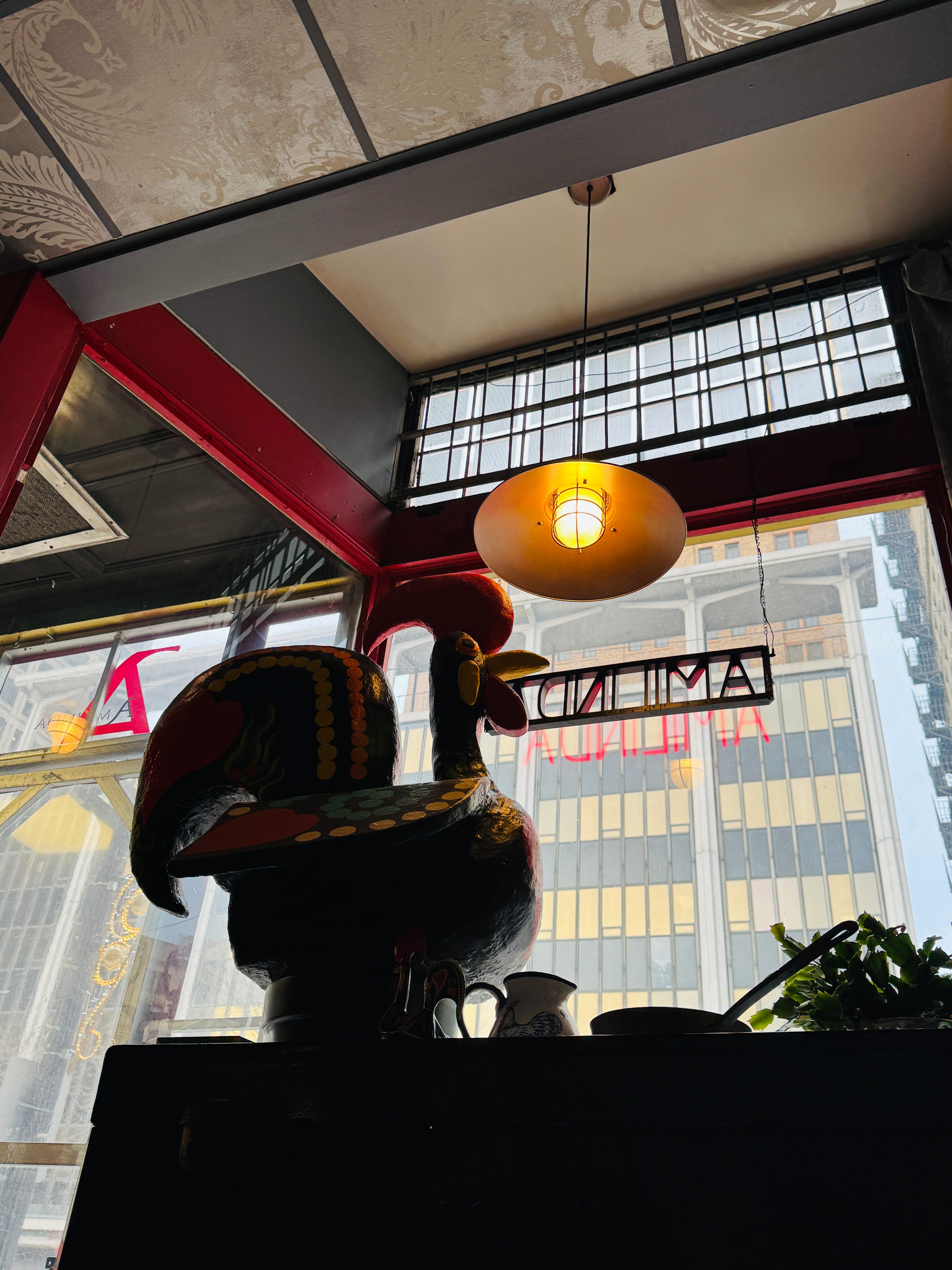
Seeing those parts of my life put together was emotional. Memory is strange when you are living inside it. You remember moments separately. The restaurant openings. The failures. The people you lost. The nights you thought you couldn’t keep going. Then someone places those moments next to each other, and you begin to see a story you couldn’t see while it was happening.
I saw how often food gave me a way forward, but I also saw how many people carried me when I thought I was carrying everything alone.
The film talks about Amilinda becoming a place for immigrant cooks, queer chefs, fundraisers, guest dinners, celebrations, and people who simply needed somewhere they could feel welcome. I wish I could say I had some brilliant plan for all of that, but I didn’t. It happened because of the people who walked through the door, it happened organically
The staff shaped it. The guests shaped it. The cooks who trusted us with their food and their stories shaped it. Somewhere along the way, Amilinda became more than the restaurant I originally imagined. I’m proud of that, but I also know it doesn’t belong only to me.
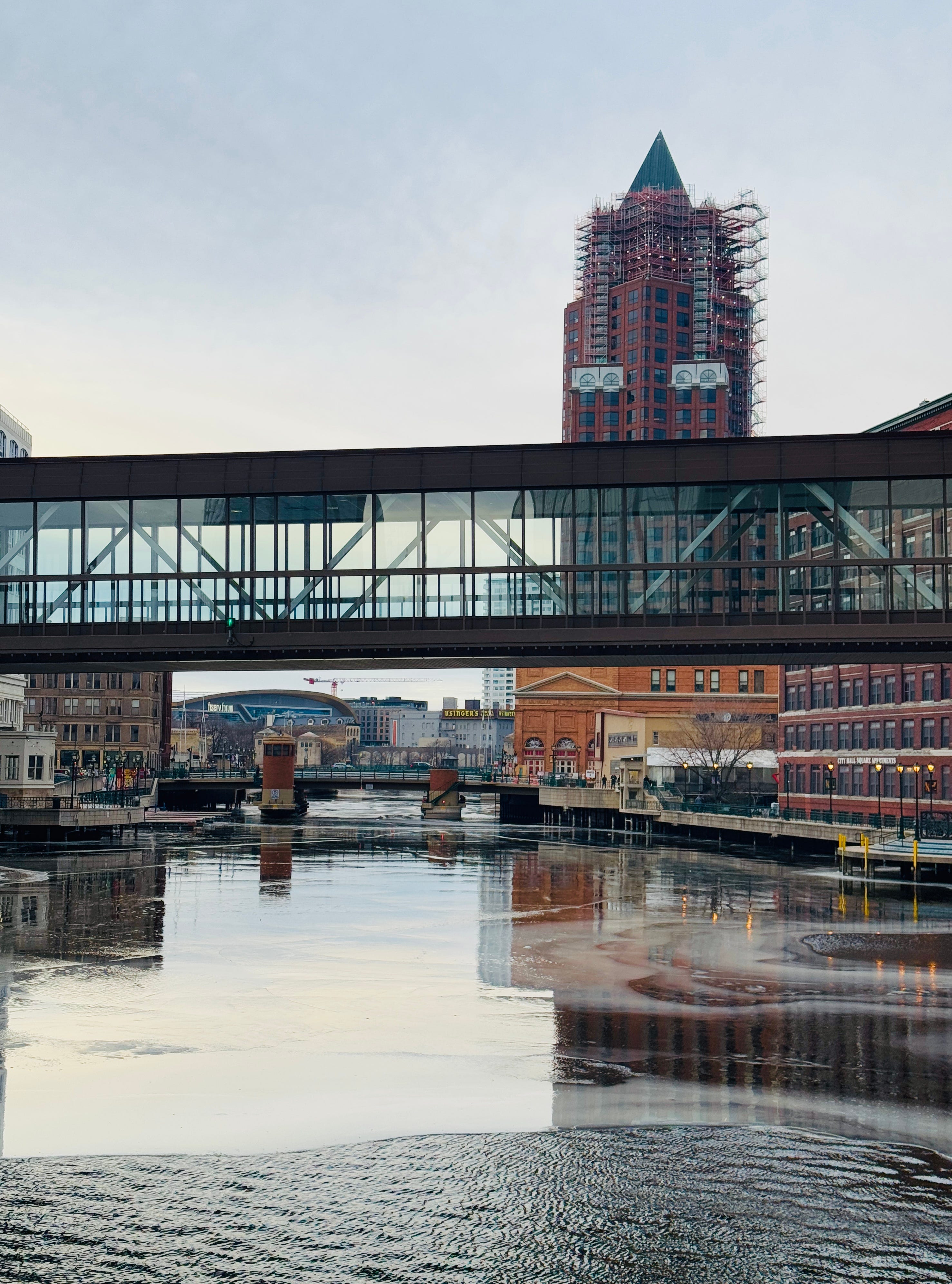
One of the hardest parts of watching Humble Kitchen was hearing people I love talk about me. In this business, you don’t always stop long enough to understand how other people see you. You finish one service and start preparing for the next. You solve the problem in front of you. You keep moving.
Hearing that I may have helped someone, made room for someone, or given someone a sense of belonging was overwhelming. I still don’t completely know how to receive it.
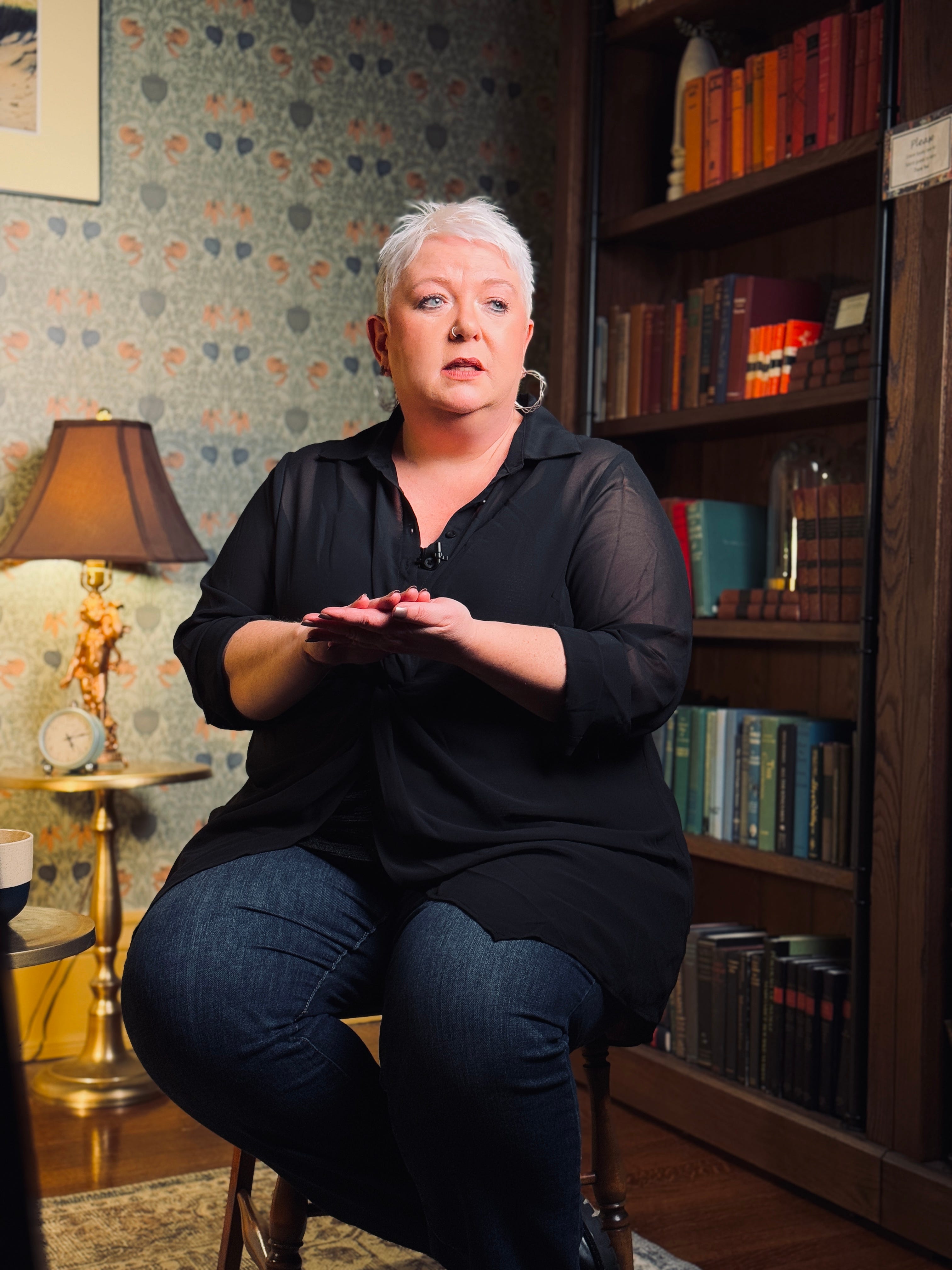
I have made plenty of mistakes. I have hurt people. I have struggled, failed, started over, and sometimes survived mostly because other people refused to give up on me. The film doesn’t hide those parts, and I didn’t want it to. If this were only a story about awards, nominations, and a successful restaurant, it wouldn’t be an honest one. The difficult parts are not separate from the good ones. They are all part of how I got here.
The word “humble” means something different to me after watching the film. It doesn’t mean making yourself smaller or pretending the work doesn’t matter. It means understanding that none of us gets anywhere alone.
A kitchen teaches you that every day. The person washing dishes matters. The person sweeping the floor matters. The farmer matters. The guest matters. The young cook finding their confidence matters. You can put your name on the door, but the restaurant is built by everyone who shows up.
I don’t know exactly what comes next. I have never been very good at making five year plans. For now, there is still food to cook, a cookbook to finish, a restaurant to care for, and people I am lucky enough to feed.
And honestly, that feels about right.