

Volume 14: Only What it Can Hold
Three years in the Times, and the lesson behind the plate.

Between Courses · from TODOS Media and República & Co. · Friday, June 12, 2026 · Welcome to the 8,400+ souls at this table · (please share with friends)
Happy Friday.
Fourteen seatings.
We’ll start with the good news, because there’s real news this week: Lilia Comedor is back in The New York Times for the third year running. Three years of being seen for the one thing we refuse to soften.
But recognition is a strange thing to build a life around, and the two essays Angel published this week say so out loud. One is about the difference between the people who keep creating and the people who settle for their greatest hits — and the woman on a comal in Veracruz who handed him his whole philosophy before he’d earned a single accolade. The other is about what building the thing actually costs you, why most of what passes for this cuisine is a bad cover, and the one forgotten song that finally gets it right. Both arrive at the same sentence: Don’t add anything that doesn’t belong. Whatever belongs, make it more beautiful.
And there’s an invitation this week — we’re opening our doors again, this time for you.
The thread is restraint, and whose hands the work really came from. Let’s begin.
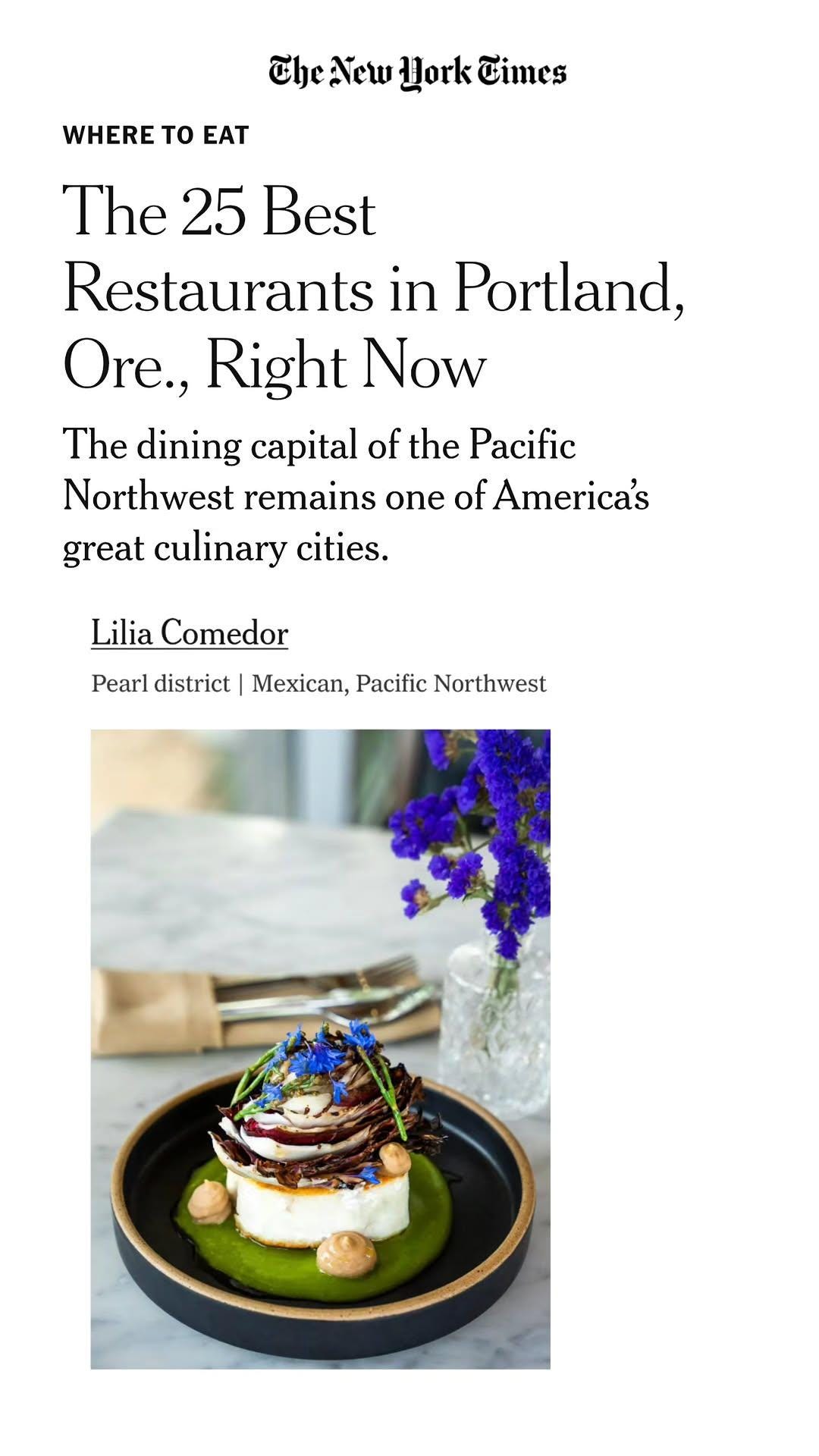
THREE YEARS IN THE TIMES
Lilia Comedor, Named Again by The New York Times.
For the third year in a row, Lilia Comedor has been recognized by The New York Times.
It started in September of 2023, when Lilia was named one of the 50 Best Restaurants in America — not even a year into its life. And now, in our third year, Lilia returns to the list: one of the 25 Best Restaurants in Portland, right now.
There still aren’t enough words to say thank you.
Thank you to The New York Times for continuing to see the work — the care, the precision, the heart behind this restaurant. Thank you to Chef Juan Gomez, whose food has always spoken clearly for itself: colorful, precise, seasonal, deeply personal, rooted in something far bigger than a menu description could ever hold.
Thank you to every person who has cooked here, served here, washed dishes here, poured wine here, opened the doors and closed them, and helped make Lilia feel like Lilia. And thank you to everyone who keeps showing up, who believes in this, and who has understood from the beginning what we’ve always known:
Lilia is one of the best restaurants in this city. With or without the recognition.
But damn — the recognition means a lot.
Con todo, — Angel & Olivia
FOOD & BEVERAGE
PICHON
Bar Comala x Strawberry Shortcake Week
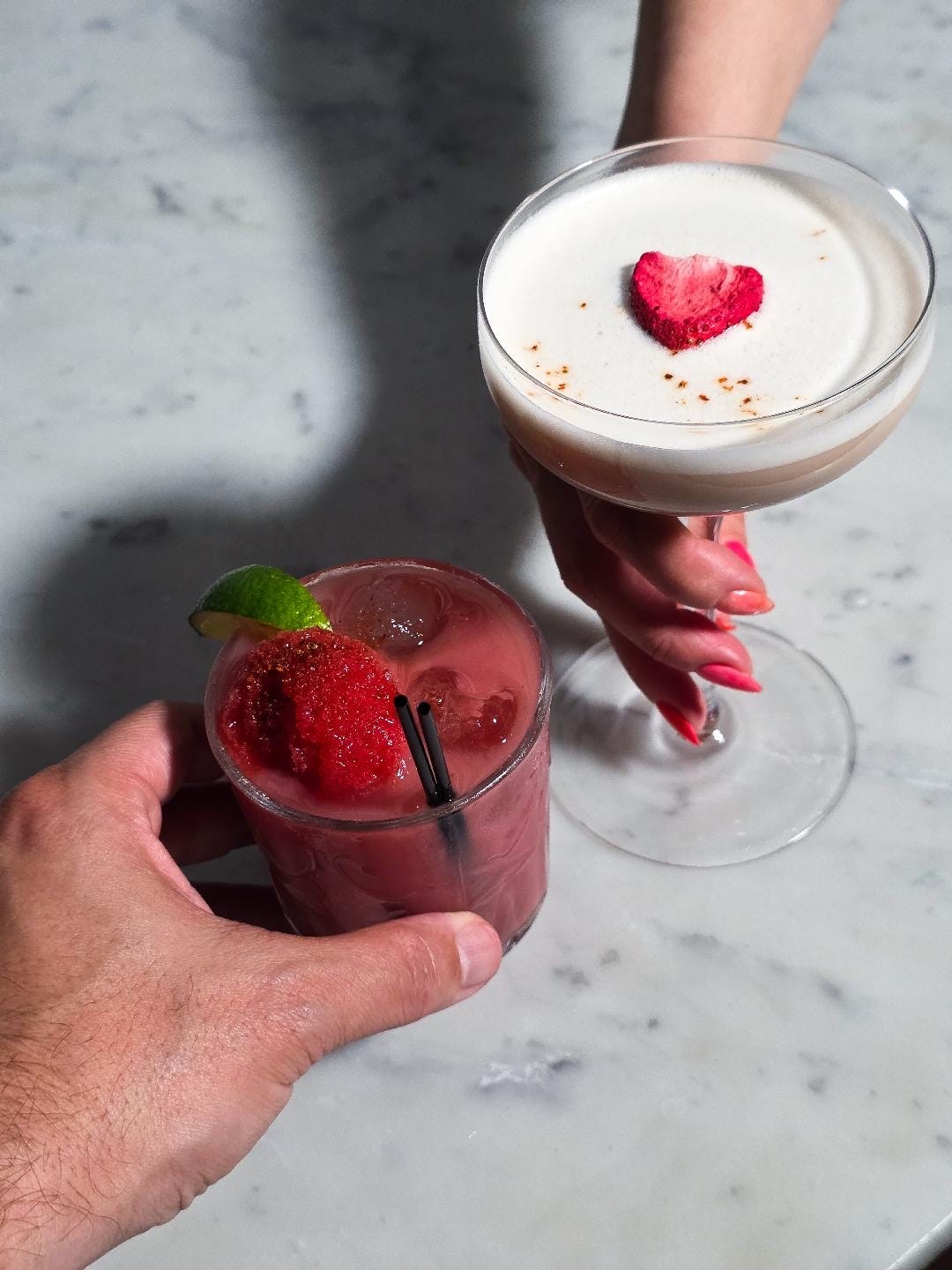
Strawberries, at peak ripeness, run through Mexican spirits.
When the James Beard Foundation handed Portland a citywide Strawberry Shortcake Week, the female-led team at Bar Comala answered the only way they know how — by building something new and pouring it in red.
Two cocktails came out of it. The Fresa Rebelde leans on a house-made cardamom-infused mezcal — a Comala signature — shaken with applejack, house strawberry purée, lime, and lime bitters over a single big cube. Fun, flirty, balanced by the bitters in a way you don’t see coming. The Rosita Fresita is the strawberry shortcake itself, in a cup: a riff on a classic flip built on Abasolo and Nixta corn spirits, a house atole infused with strawberries, and Cocchi Rosa, finished with cinnamon and freeze-dried berries in a coupe. And because one dessert is never enough, the Lilia Comedor team sent over strawberry tejuino and sorbet to go with it.
This is what we mean when we say this food refuses to be softened — even a strawberry week becomes an argument about what Mexican ingredients can do.
Read the full piece on Pichon →
INFLATION EATS
How Much I Spent Dining at Negociant
A daytime wine-bar-meets-deli in the Alphabet District, with the math attached.
The second installment of Katrina Yentch’s Inflation Eats opens with a confession: wine might be her favorite drink, but a wine bar is one of the last places she’ll choose to spend money — when a glass of Pinot runs close to a whole decent bottle at the store, it’s a hard sell. Except the store bottles are climbing too, $20–25 quietly becoming $30+, and somewhere in that math an intentional sub-$20 glass starts to make sense again.
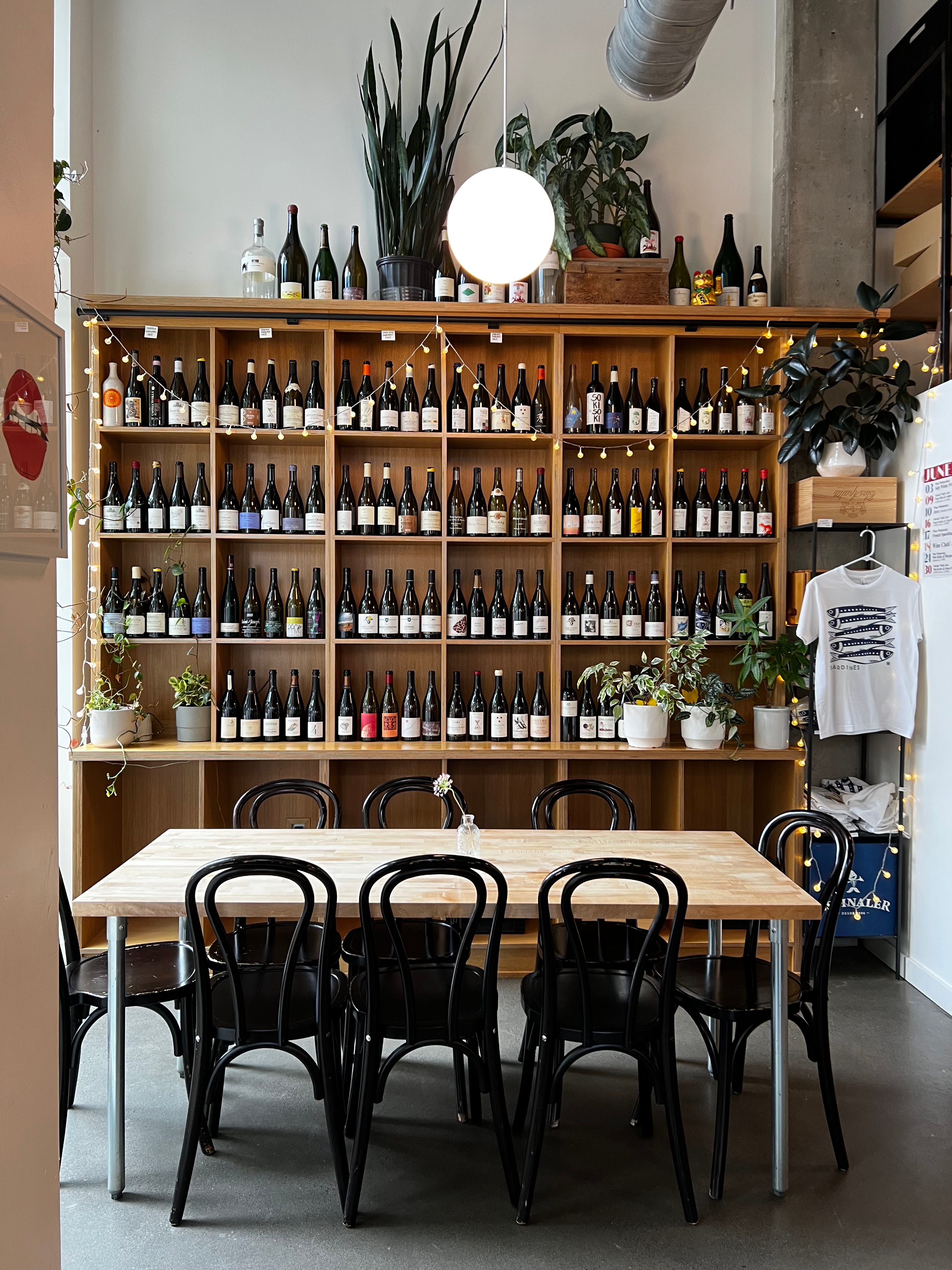
That’s what takes her to Negociant, the daytime concept from the team behind Bar Diane — French bistro by way of Italian deli, a pandemic-era market that outlived the pandemic. Tuna melt on a house milk roll (get the milk roll), a glass of white, tomato soup, two happy-hour oysters: $48.60 after a 20% tip.
The review does what the column promises — it doesn’t flinch. The soup came cold, the sandwich came on the wrong bread, the portions left her underwhelmed. What she loved was the room: high ceilings, big windows, checkerboard floors, a European daydream a few feet off NW 21st. Honest scores, honestly earned.
Ambiance 8 · Service 7 · Food 6
CULTURE

COME WATCH IT FIRST
Her Way: Napa Valley — A Private Preview, For Subscribers.
A few weeks ago we opened our doors for a private screening, and it turned out to be exactly the kind of night this whole thing was built for. So we’re doing it again — and this time, it’s for you.
On Sunday, June 28 at 6:00 PM, TODOS Media will premiere the first finished episode of Her Way, a new documentary series about the women shaping the future of wine. The screening happens at TODOS Media Studios on the North Park Blocks — one of 4 completed 30-minute episode, followed by a conversation and Q&A with the creative team.
Her Way began as a podcast hosted by sommelier and restaurateur Kelsey Glasser — co-owner of Arden here in Portland — and has grown into a series that travels to a different wine region each episode. The first one starts where the whole story does: How did one quiet little valley become the most famous wine region in the world? The public premiere isn’t until August 27. You’d be seeing it two months early.
Here’s the part that matters: this screening is open to all paid TODOS MEDIA subscribers. Two seats. Wine & snacks provided.
That’s the whole idea behind the subscription, made real. You don’t just keep the lights on — you get a seat at the table. We’re going to keep doing these. We’d love for you to be in the room.
ONE LAST THING…
Everything Else Came Later
On coffee, tomatoes, and the lesson he spent seven years pretending was his.
March 2019. Three shops in, exhausted, broke, and unsure what came next, Angel left Portland for three weeks and disappeared into Mexico — Veracruz, Puebla, Oaxaca. Coffee farms. A French-Mexican family four generations deep. A haunted hotel near the Battle of Puebla. Tomatoes he’d cross the country for.
But the thing he carried home wasn’t coffee. It was a breakfast. A woman on a coffee farm, working masa on a comal, pinching the edges of a memela so nothing could fall out — and a single sentence she handed him with the plate, the way you hand someone something you’ll never ask to have returned.
Seven years later, on a slow night with the World Cup on a television he didn’t want, he tears up a plate that came out too beautiful and builds it again with nothing on it that doesn’t belong. This is an essay about influence, theft, and the difference between people who keep creating and people who settle for their greatest hits. And it’s about whose hands you’re actually eating from when a dish reaches your table.
He’ll tell you where the lesson really came from. It was never his.

ONE LAST THING…
What the Thing You Build Will Cost You
On sacrifice, bad covers, and a forgotten song for the end of the night.
It starts at 6:35 in the evening, in an office Angel spent three days converting into the greatest U.S. soccer watch party this city has ever seen. Forty seats. A projector. The good kind of exhaustion — the kind that comes from something you chose. And somehow, standing in the middle of all of it, he starts thinking about heartbreak.
This is the most unguarded thing he’s put on the page. The bill that arrives with names on it instead of numbers. Two relationships, two kinds of ending, and the asterisk he thinks every success should carry: look at what it cost you. In between, the argument that ties it to the food — that most of what passes for Mexican cooking in this country is karaoke. Bad covers. Vibe without restraint. People stopping at the mood board instead of doing the work.
It ends late, with too many mezcals in him, on a Bob Dylan song the world forgot and an Argentine folk singer with two thousand followers who recorded the truest version of it nobody asked for. That’s the only cover worth doing. It’s the only cooking worth doing, too.
COME TO THE TABLE
República — The $40 tasting menu is up. Whatever’s in season, whatever’s ready. Thursday through Sunday, 10am to 2:30pm. Chef Hannah-Ruth Joy in the kitchen.
Lilia Comedor — Still, officially, one of the best restaurants in Portland. Dinner, spring produce, Chef Juan Gomez doing what he does. Go find out what the Times is talking about.
Bar Comala — 422 NW 8th. The strawberry cocktails came out of Shortcake Week and the bar team is on a tear. Pour something neat, let the bartender lead. Tuesday–Thursday 5–10pm, Friday–Saturday 5pm–12am.
All part of the República & Co. family. Still here. Still building.
A NOTE ON WHAT’S COMING
The shows live on WatchTODOS — Memorable, Que Penca Season 2, Rose City ‘Til I Die, with more on the way. $8 a month is what makes this sustainable.
And this month, it gets you something concrete: two seats at the Her Way screening on the 28th. Subscribe, and we’ll save you a chair and pour you a glass.
Until Next Time
Fourteen issues. One table. Still refusing to soften.
Read both essays. Come watch Her Way. Order something red at Comala. And go see what the Times is talking about.
— República & Co. Hospitality / TODOS Media One table. Many voices.